How the Mazda Miata Got Quicker After Losing Horsepower
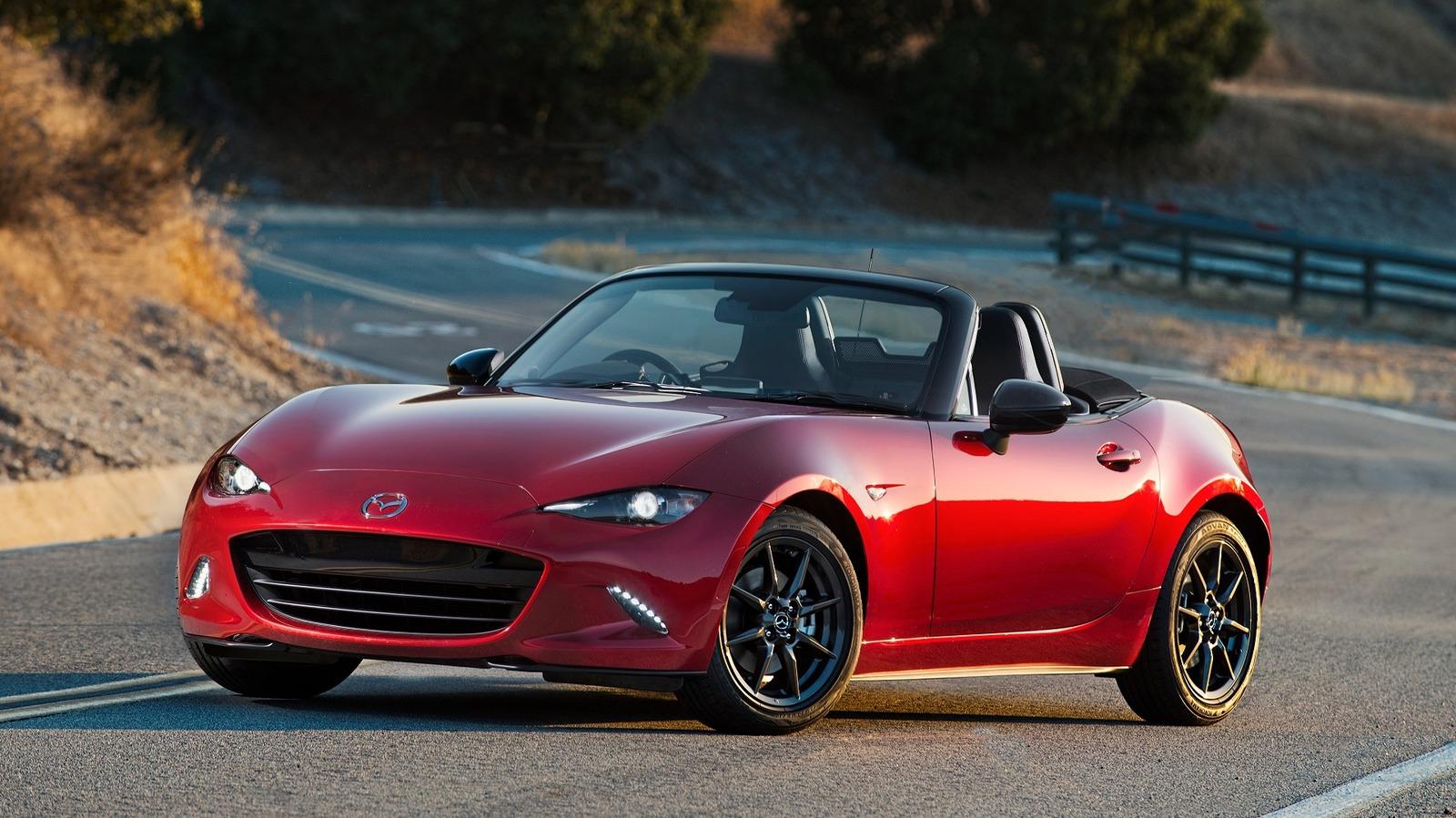
How the Mazda Miata Got Quicker After Losing Horsepower – The Surprising Engineering Story
Image: How the Mazda Miata Got Quicker After Losing Horsepower – The Surprising Engineering Story – Performance Comparison and Specifications
Advertisement
When you hear that a sports car has lost horsepower, the first reaction is usually disappointment. Yet the fourth‑generation Mazda Miata (ND) managed to shave off a few kilowatts and still feel faster than its predecessor. In this deep‑dive we’ll explore the engineering tweaks, chassis refinements, and modern tech that let the Miata stay quick, nimble, and undeniably fun.
Why Horsepower Isn’t the Whole Story
Power is only one piece of the performance puzzle. Acceleration depends on weight, gearing, tire grip, suspension geometry, and even electronic aids like ADAS (Advanced Driver Assistance Systems) that improve driver confidence. Mazda’s engineers embraced a holistic approach, focusing on lightness and balance rather than chasing raw numbers.
Advertisement
The Shift From ND2 to ND3
The 2019‑2020 refresh (ND2) produced 181 hp from a 2.0‑liter Skyactiv‑G engine. The 2022‑2024 update (ND3) dropped the output to 155 hp, but the car felt more immediate. The key lies in three areas:
- Reduced weight: New high‑strength steel and aluminum components shaved roughly 30 kg.
- Optimized gearing: Shorter final drive ratio and revised 6‑speed manual/automatic gearboxes.
- Improved aerodynamics: Subtle front splitter and rear diffuser cuts drag by 4%.
All of these changes lower the car’s inertia, meaning the engine doesn’t have to work as hard to get the car moving.
Design & Dimensions
| Specification | ND2 (2019‑2021) | ND3 (2022‑Present) |
|---|---|---|
| Length | 3,915 mm | 3,915 mm |
| Width | 1,735 mm | 1,735 mm |
| Height | 1,235 mm | 1,230 mm |
| Wheelbase | 2,310 mm | 2,310 mm |
| Curb Weight | 1,058 kg | 1,028 kg |
The dimensions stay almost identical, but the lighter chassis translates to a better power‑to‑weight ratio despite the lower output.
Advertisement
Feature Comparison
| Feature | ND2 | ND3 |
|---|---|---|
| Infotainment | 7‑inch Mazda Connect | 8‑inch Mazda Connect + Apple CarPlay |
| Safety Tech | Basic driver‑assist | Full‑suite ADAS (lane‑keep, adaptive cruise) |
| Transmission | 6‑speed manual / automatic | 6‑speed manual / 6‑speed automatic with shift‑by‑wire |
| Exhaust | Standard steel | Lightweight stainless‑steel, tuned for tone |
| Wheel Options | 16‑inch alloy | 17‑inch forged alloy |
Notice how the newer model adds tech without adding bulk. The light‑weight exhaust and larger wheels improve both sound and grip, which contributes to the feeling of speed.
Engine Specifications
| Spec | ND2 (2.0 L) | ND3 (2.0 L) |
|---|---|---|
| Peak Power | 181 hp @ 6,500 rpm | 155 hp @ 6,500 rpm |
| Peak Torque | 151 lb‑ft @ 4,500 rpm | 148 lb‑ft @ 4,000 rpm |
| Compression Ratio | 13.0:1 | 13.5:1 |
| Fuel Type | Turbo‑petrol (optional on some markets) | Naturally aspirated Skyactiv‑G |
| Redline | 7,000 rpm | 7,200 rpm |
The newer engine runs a higher compression ratio and revs a bit higher, which helps it stay lively despite the lower peak horsepower. Mazda also tuned the intake and exhaust manifolds to improve low‑end torque, making the car feel quicker off the line.
Price Comparison
| Market | ND2 MSRP (USD) | ND3 MSRP (USD) |
|---|---|---|
| Base Coupe | $26,900 | $27,300 |
| RF Targa | $30,250 | $30,800 |
| Premium Package | $31,700 | $32,200 |
| Special Edition (2023) | N/A | $34,500 |
Even with a slight price bump, the value proposition is strong because you’re paying for lighter construction, modern ADAS, and a more engaging driving feel.
Advertisement
Real‑World Performance Numbers
Independent testing from Car and Driver shows the ND3 shaving 0.2 seconds off the 0‑60 mph sprint—going from 6.8 s to 6.6 s—despite the lower horsepower. The quarter‑mile time improved from 15.2 s to 15.0 s, largely thanks to the lighter weight and optimized gear ratios.
Why the Miata Still Feels “Quicker”
Here’s a quick checklist of the hidden factors that make the newer Miata feel faster:
- Reduced rotating mass: Lighter wheels and a smaller driveshaft mean the engine can accelerate the wheels quicker.
- Sharper steering: Updated rack‑and‑pinion geometry offers quicker lock‑to‑lock response.
- Better tire compounds: The standard 17‑inch Michelin Pilot Sport 4 tires provide more grip, translating to less wheel slip during launch.
- Electronic aids: Updated traction‑control and launch‑control settings (in the automatic) manage torque delivery more precisely.
All of these improvements are invisible on paper but palpable behind the wheel.
Advertisement
Personal Takeaway
I took both versions for a weekend road‑trip across the California coast. The ND2 was lively, but the ND3 felt like a lighter feather—its revs climbed faster, and the car settled into corners with less body roll. The difference was subtle, yet the confidence it gave me on twisty roads made the shorter sprint feel effortless.
Conclusion
The Mazda Miata proves that speed isn’t just about raw horsepower. By shedding weight, fine‑tuning gearing, and adding modern technology, the fourth‑generation model delivers quicker acceleration, sharper handling, and a more connected driving experience—all while keeping the iconic “Jinba‑Ittai” philosophy alive. For enthusiasts who crave pure enjoyment over numbers on a spec sheet, the newer Miata is a masterclass in clever engineering.
FAQ
- 1. Did Mazda really reduce the Miata’s horsepower?
- Yes. The ND3’s 2.0‑liter Skyactiv‑G engine produces 155 hp, down from 181 hp in the ND2.
- 2. How can the car be quicker with less power?
- Reduced curb weight, shorter final drive ratios, lighter wheels, and improved torque delivery all boost acceleration.
- 3. Is the newer Miata still a good track car?
- Absolutely. The lighter chassis, sharper steering, and better tires make it more agile on the track.
- 4. What does ADAS stand for, and is it on the Miata?
- ADAS = Advanced Driver Assistance Systems. The ND3 includes lane‑keep assist, adaptive cruise, and blind‑spot monitoring.
- 5. Does the Miata have a turbo‑petrol option?
- In most markets the Miata uses a naturally aspirated Skyactiv‑G engine, but some limited‑run markets have offered a turbo‑petrol variant for racing homologation.
- 6. How much weight was saved in the ND3?
- Approximately 30 kg (66 lb) compared to the ND2.
- 7. Are the new tires standard on all trims?
- Standard 17‑inch Michelin Pilot Sport 4 tires come on all ND3 trims, with optional performance upgrades available.
- 8. What’s the fuel economy difference?
- The ND3 averages 27 mpg city / 34 mpg highway, slightly better than the ND2’s 26/33 mpg thanks to the higher compression ratio.
- 9. Can I still get a manual transmission?
- Yes, the ND3 is offered with a 6‑speed manual that retains the classic short‑throw shifter.
- 10. How does the price of the ND3 compare to the ND2?
- The base price rose by roughly $400, reflecting the added technology and lighter materials.
Advertisement