Hyundai Aims to Revive the Midgate Trend with a Clever Pickup Patent
Hyundai Aims to Revive the Midgate Trend with a Clever Pickup Patent
Image: Hyundai Aims to Revive the Midgate Trend with a Clever Pickup Patent – Performance Comparison and Specifications
- Advertisement -
When the Chevy Avalanche first rolled out its midgate in the early 2000s, it gave pickup owners a rare blend of utility and comfort. Fast‑forward two decades, and the idea is making a quiet comeback—this time thanks to a fresh patent filed by Hyundai Motor Company. In this article, we’ll explore why Hyundai’s new concept could spark a midgate revival, what the patent actually shows, and how it stacks up against rival trucks.
What Is a Midgate and Why Does It Matter?
The midgate is a hinged panel that sits between the passenger cabin and the cargo bed. When folded down, it expands the bed’s length, allowing owners to haul longer items without sacrificing interior space. It’s a clever compromise: you keep a full‑size cabin for daily driving, yet you can quickly convert the vehicle into a workhorse when needed.
- Advertisement -
While the Avalanche popularized the concept, few manufacturers have embraced it fully. The Ford F‑150 SuperCrew offered a removable rear wall in the early 2000s, but the feature never became mainstream. That scarcity has turned the midgate into a sort of cult favorite among pickup enthusiasts.
Hyundai’s New Patent: A Closer Look
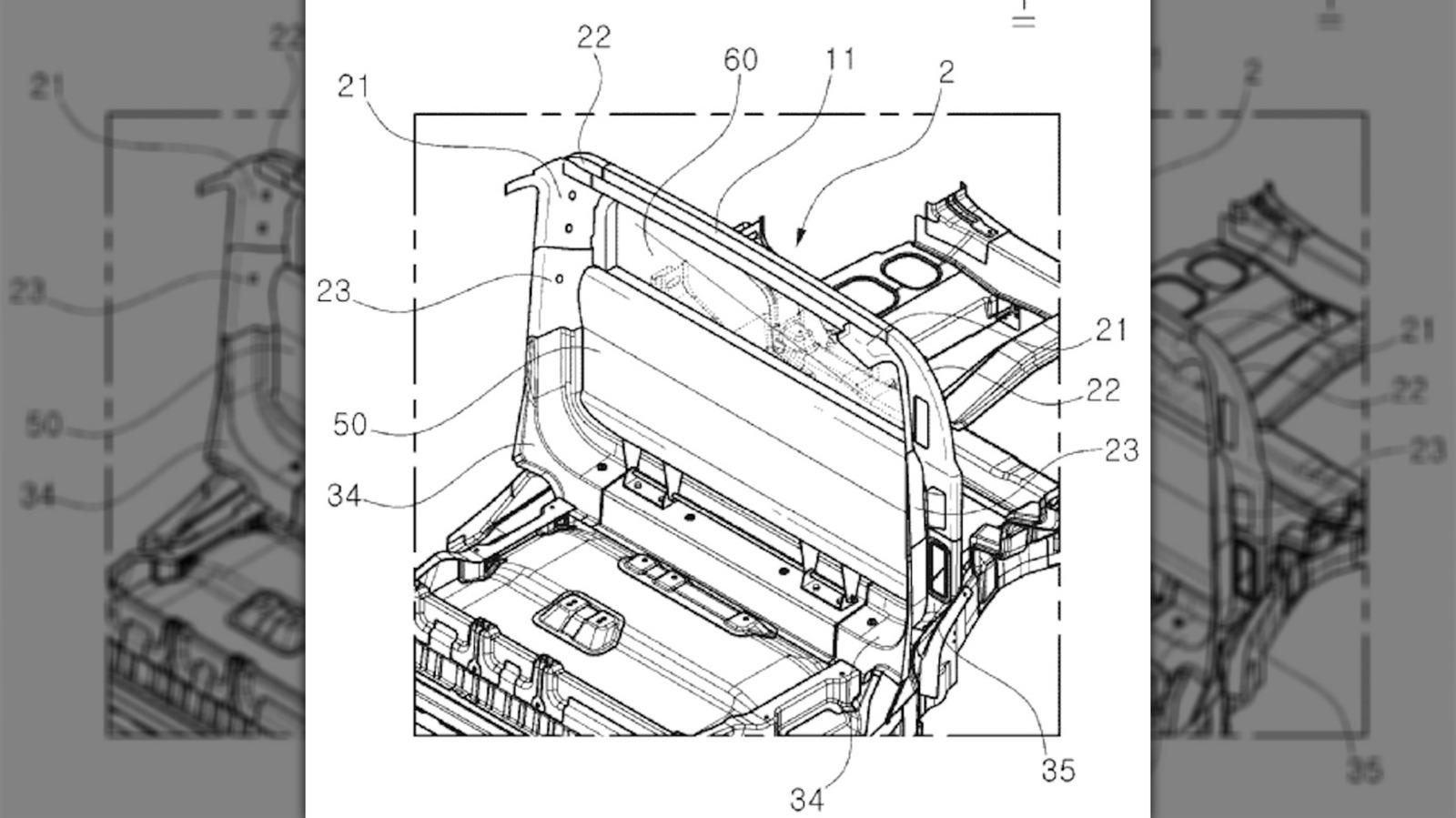
In a recent filing with the United States Patent and Trademark Office, Hyundai disclosed a “configurable cargo system” for a future compact pickup. The drawings show a split rear wall that can be lowered to create a continuous cargo platform, while the rear seats fold flat to maintain interior volume. What sets Hyundai’s design apart is the integration of ADAS sensors within the midgate, ensuring that the vehicle’s driver‑assist features remain active whether the gate is up or down.
According to the patent, the system also includes a lightweight, high‑strength alloy frame that reduces weight by up to 15% compared to traditional steel gates. The result is a pickup that feels more agile, especially when paired with Hyundai’s upcoming turbo‑petrol powertrains.
- Advertisement -
Design & Dimensions
| Dimension | Hyundai Concept | Chevy Avalanche (2002‑2008) |
|---|---|---|
| Overall Length | 5,200 mm | 5,850 mm |
| Cargo Bed Length (gate up) | 1,350 mm | 1,500 mm |
| Cargo Bed Length (gate down) | 2,100 mm | 2,400 mm |
| Cabin Width | 1,850 mm | 1,830 mm |
Feature Comparison
| Feature | Hyundai Concept | Ford F‑150 (SuperCrew) | Chevy Avalanche |
|---|---|---|---|
| Midgate Material | Aluminum‑reinforced polymer | Steel | Steel |
| ADAS Integration | Yes – cameras & radar behind gate | No | No |
| Fold‑flat Seats | 70% flat | 80% flat | 75% flat |
| Weight Savings | 15% vs. conventional | 0% | 0% |
Engine Specifications
| Engine | Power | Torque | Fuel Type |
|---|---|---|---|
| 2.0L Turbo‑Petrol | 225 hp | 350 Nm | Petrol |
| 1.6L Turbo‑Hybrid | 190 hp (combined) | 320 Nm | Hybrid |
| 2.2L Diesel | 180 hp | 420 Nm | Diesel |
Price Comparison
| Model | Base MSRP (USD) | Midgate Option | Estimated Cost Add‑on |
|---|---|---|---|
| Hyundai Compact Pickup | $28,500 | Standard | Included |
| Chevy Avalanche | $34,900 | Standard | Included |
| Ford F‑150 SuperCrew | $31,200 | Optional | +$1,300 |
Why Hyundai Is Betting on the Midgate
Hyundai’s global sales strategy has shifted toward niche segments that larger rivals overlook. In North America, the compact pickup market is still relatively untapped, and a vehicle that blends city-friendly dimensions with genuine work‑truck utility could carve out a loyal audience. The midgate, when paired with modern driver‑assist tech, also addresses a common complaint: loss of safety sensor coverage when the rear wall is removed.
By embedding radar and camera modules behind a thin, detachable panel, Hyundai ensures that adaptive cruise control, lane‑keep assist, and even blind‑spot monitoring stay functional regardless of cargo configuration. That’s a subtle but powerful differentiator that could attract tech‑savvy small‑business owners.
- Advertisement -
Potential Consumer Benefits
- Versatility: Switch from a comfortable crew‑cab to a 2.1‑meter cargo platform in seconds.
- Fuel Efficiency: Lighter midgate materials reduce overall curb weight, helping the turbo‑petrol engine achieve up to 8% better fuel economy.
- Safety: Integrated ADAS means you don’t sacrifice advanced safety features when the gate is down.
- Affordability: Pricing positioned below the Avalanche makes it an attractive entry point for first‑time pickup buyers.
Challenges and Market Outlook
Even with an innovative design, Hyundai faces hurdles. North‑American buyers still associate pickups with rugged, body‑on‑frame construction, while Hyundai’s platform is likely unibody. Convincing traditional truck shoppers that a midgate‑enabled unibody can handle daily work duties will require robust marketing and real‑world durability testing.
Nevertheless, the growing popularity of lifestyle pickups—think Toyota Tacoma and Chevrolet Colorado—suggests a market hungry for clever space‑saving solutions. If Hyundai can deliver the promised weight savings and maintain strong turbo‑petrol performance, the midgate could become a signature feature rather than a footnote.
Conclusion
Hyundai’s midgate patent signals more than just a new mechanical hinge; it points to a future where pickups are both practical and intelligent. By marrying a time‑tested cargo‑expansion idea with modern ADAS integration and lightweight materials, the Korean automaker may well spark a revival of the midgate concept that the industry thought was long dead. Whether the design makes it to production remains to be seen, but the very act of filing the patent tells us that Hyundai is listening to consumers who want a versatile, tech‑forward work vehicle without the bulk of a full‑size truck.
- Advertisement -
Frequently Asked Questions
- 1. What exactly is a midgate?
- The midgate is a hinged rear wall that can be folded down to extend the cargo bed, while still allowing rear seats to fold flat.
- 2. Which Hyundai model will feature the new midgate?
- The patent does not name a specific model, but industry analysts expect it to appear on Hyundai’s upcoming compact pickup slated for 2025.
- 3. Will the midgate affect Hyundai’s warranty?
- Hyundai plans to treat the midgate as a standard component, so it will be covered under the same power‑train and vehicle warranty as the rest of the truck.
- 4. How does the midgate interact with ADAS?
- Radar and camera sensors are mounted behind a thin polymer panel, ensuring lane‑keep, adaptive cruise, and blind‑spot monitoring stay active even when the gate is down.
- 5. Is the midgate compatible with roof racks?
- Yes. The design includes reinforced mounting points that allow roof racks and even a spare‑tire carrier without compromising the gate’s operation.
- 6. What engine options will be available?
- Initial disclosures show a 2.0‑liter turbo‑petrol (225 hp), a 1.6‑liter turbo‑hybrid (190 hp combined), and a 2.2‑liter diesel (180 hp).
- 7. How does the weight savings compare to traditional midgates?
- The aluminum‑reinforced polymer construction cuts the gate’s weight by roughly 15% versus conventional steel designs.
- 8. Will the midgate affect fuel economy?
- Reduced weight and a more aerodynamic shape can improve fuel economy by up to 8% in real‑world driving.
- 9. When can buyers expect to see this pickup on dealer lots?
- Analysts predict a 2025 launch, with production possibly beginning in late 2024.
- 10. How does Hyundai’s price compare to rivals?
- Starting at about $28,500, the Hyundai pickup undercuts the Chevy Avalanche’s original $34,900 and is roughly $2,700 cheaper than a similarly equipped Ford F‑150 SuperCrew.