Inherited Lancia Delta HF Turbo: A Granddad’s Legacy and How to Keep the Turbo-Petrol Legend Alive
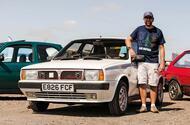
Inherited Lancia Delta HF Turbo: A Granddad’s Legacy and How to Keep the Turbo-Petrol Legend Alive
Image: Inherited Lancia Delta HF Turbo: A Granddad’s Legacy and How to Keep the Turbo-Petrol Legend Alive – Performance Comparison and Specifications
Advertisement
When a piece of automotive history lands in your garage through a family will, the emotions run deeper than the horsepower. Simon Webling’s story is a perfect blend of nostalgia, engineering intrigue, and the raw joy of driving a classic Lancia Delta HF Turbo. Below we dive into the car’s background, its current condition, the technical specs that make it a turbo‑petrol gem, and practical tips for owners who find themselves the lucky (or perhaps burdened) heirs of a beloved hot hatch.
Why the Delta HF Turbo Still Turns Heads
Before the HF 4WD and the legendary Integrale took centre stage, the HF Turbo was Lancia’s flagship. Launched in 1985, it combined a 1.6‑litre turbocharged engine, a lightweight chassis, and a distinctive Italian design language. Even today, enthusiasts admire its balance of responsive handling and modest yet lively power output.
Advertisement
Family History – A Car With Memories
Simon inherited the Delta from his grandfather, who bought it new in 1988 after trading in a Lotus Esprit Turbo. The senior Lancia owner used the Delta to teach Simon how to drive, creating countless memories that now live inside the metal shell. “When he passed away three years ago, the car became a family heirloom – I could never let it go,” Simon explains.
Current Condition – A Snapshot
The 1988‑registered Delta has only 56,000 miles on the odometer, thanks to being garaged for most of its life. A few cosmetic flaws – a bubble of rust on a door bottom and around the filler cap – are the only blemishes. The original headlamp‑washer motor never returned from a repair shop, so the washer arms were removed, leaving the classic grille holes you see today.
| Item | Condition | Notes |
|---|---|---|
| Mileage | 56,000 mi | Low for age |
| Exterior | Good | Minor rust at door bottom |
| Electrical | Mixed | Front windows inoperable, washer arms removed |
| Interior | Original RHD conversion | Wiring stretched – prone to gremlins |
Design & Dimensions
| Dimension | Metric | Imperial |
|---|---|---|
| Length | 4,350 mm | 171.3 in |
| Width | 1,735 mm | 68.3 in |
| Height | 1,350 mm | 53.1 in |
| Wheelbase | 2,560 mm | 100.8 in |
| Kerb Weight | 1,040 kg | 2,292 lb |
Feature Comparison – HF Turbo vs. HF Integrale
| Feature | HF Turbo | HF Integrale |
|---|---|---|
| Drive Type | Front‑Wheel Drive | All‑Wheel Drive |
| Power | 138 bhp | 210 bhp |
| Turbo | Single‑Scroll | Twin‑Scroll |
| Weight | 1,040 kg | 1,150 kg |
| Original Price (1985) | £15,000 | £19,500 |
Engine Specifications
| Spec | HF Turbo | Notes |
|---|---|---|
| Engine | 1.6 L Turbo‑Petrol (4‑cylinder) | Turbocharged, intercooled |
| Power | 138 bhp @ 6,500 rpm | Peak torque 166 Nm @ 3,500 rpm |
| Compression | 9.5:1 | Standard for 80s rally‑derived units |
| Transmission | 5‑speed manual | Close‑ratio gear set |
| Fuel System | Multipoint injection | Carburetor era predecessor |
Price Comparison – Classic Market Snapshot (2024)
| Model | Average UK Price | Typical Condition |
|---|---|---|
| Lancia Delta HF Turbo | £12,900 | Garaged, low mileage |
| Lancia Delta Integrale | £19,800 | Restored, moderate mileage |
| Lancia Delta HF 4WD | £15,500 | Original, some wear |
| Comparable VW Golf GTI (1990) | £9,200 | Well‑kept |
What Makes the HF Turbo Special Today?
Even though the engine feels a little “flat” after decades of use, the car’s character shines through. The side skirts, red‑trimmed radiator grille, and eight‑hole alloy wheels from the 1986 facelift still draw admiring glances. The Martini decals on the rear are not a later add‑on – they were a factory option introduced in 1984 to celebrate Lancia’s WRC victories with the Rally 037.
Advertisement
Right‑Hand‑Drive Conversion – A Quirky Chapter
Simon’s Delta was converted to right‑hand drive by an official Lancia dealer. The swap required moving the dashboard, but the wiring was never fully re‑routed, leaving stretched harnesses trapped between panels. The result? Frequent electrical gremlins, especially with the electric windows that have long since given up. It’s a reminder that classic conversions, while functional, can introduce hidden maintenance challenges.
Maintenance Tips for Inherited Classics
Simon plans to take the car to Tanc Barratt, a Delta specialist in Wales. Here are three steps any new owner should consider:
- Full Electrical Audit: Check the stretched wiring from the RHD conversion; replace harnesses with modern loom to prevent intermittent faults.
- Turbo Health Check: Inspect the turbine housing for oil leaks and test boost pressure. A worn turbo can explain the recent “flat” feeling.
- Suspension Overhaul: The original suspension may wobble after 30+ years. Upgrading to adjustable dampers can restore confidence without sacrificing the car’s vintage feel.
Living with a Classic While Driving Modern Cars
Simon’s daily driver is a 2016 Mercedes‑Benz C350e, and his weekend “toys” include a 2005 Subaru Impreza Turbo and a 2009 Ducati 848. Having a modern, ADAS‑equipped vehicle for everyday commuting lets him keep the Delta pure – no daily wear, no modern emissions scrutiny. It’s a strategy many classic owners adopt: let the everyday car handle traffic, and reserve the heritage piece for spirited outings.
Advertisement
Conclusion – Keeping the Delta’s Spirit Alive
Inheriting a Lancia Delta HF Turbo is more than acquiring a set of bolts and a badge; it’s inheriting a family story, a slice of rally heritage, and a car that still delivers pure, turbo‑petrol excitement. By addressing the electrical quirks, giving the suspension a little TLC, and respecting the car’s original design, Simon can ensure the Delta continues to turn heads and bring smiles for generations to come.
FAQ – All Your Burning Questions About the Lancia Delta HF Turbo
- 1. What year was the Lancia Delta HF Turbo first produced?
- The HF Turbo debuted in 1985 and remained in production until 1991.
- 2. How much power does the 1.6 L turbo engine produce?
- Factory figures list 138 bhp at 6,500 rpm with 166 Nm of torque.
- 3. Is the HF Turbo a good candidate for daily driving?
- While it’s enjoyable, the lack of modern ADAS, aging suspension, and electrical gremlins make it better suited as a weekend or “toy” car.
- 4. What are the most common problems owners face?
- Electrical wiring from RHD conversions, aging turbo seals, and rust in low‑spot areas.
- 5. Can I find genuine replacement parts?
- Specialist suppliers like Tanc Barratt and Italian heritage parts dealers stock OEM‑type components.
- 6. How does the HF Turbo compare to the Integrale in terms of handling?
- The HF Turbo is front‑wheel drive, offering a lighter, more agile feel, while the Integrale’s AWD provides greater grip, especially in low‑traction conditions.
- 7. Does the car have any factory‑installed ADAS?
- No. The 1980s Lancia platform predates modern driver‑assist systems; any ADAS would be aftermarket.
- 8. What is the typical market value for a well‑preserved HF Turbo?
- In the UK market of 2024, expect between £10,000 and £15,000 depending on mileage, condition, and documentation.
- 9. Are there any notable factory options that affect value?
- Factory‑fitted Martini decals and the original side skirts are highly sought after by collectors.
- 10. How often should I service a classic turbo‑petrol engine?
- A thorough service every 6,000‑8,000 km (or annually) is advisable, focusing on turbo oil, fuel filters, and ignition components.
Source: example.com
Advertisement