New Honda Electric Scooter in the Works – Tailored for the Indian Market
New Honda Electric Scooter in the Works – Tailored for the Indian Market
Image: New Honda Electric Scooter in the Works – Tailored for the Indian Market – Performance Comparison and Specifications
Honda has quietly been sketching the next chapter of two‑wheel mobility in India. After the Activa e and the QC1 were pulled from the shelves, rumors point to a fresh electric scooter that will be heavily localised for Indian riders. In this article we unpack what we know, why localisation matters, and how the upcoming model could stack up against the current EV crowd.
Why Honda is Going All‑In on an Indian‑Centric EV
India is the world’s largest two‑wheeler market, with more than 20 million units sold each year. Yet the EV share still hovers around 2‑3%. Honda’s decision to design a scooter specifically for Indian road conditions, pricing expectations, and charging infrastructure shows a clear shift from a global‑first approach to a market‑specific strategy. The company aims to address three pain points:
- Affordability: Price‑sensitive consumers need a competitive entry price.
- Range anxiety: Urban commuters demand at least 80‑100 km on a single charge.
- Service network: Localised parts and after‑sales support reduce downtime.
By localising the battery pack, motor housing, and even the UI language, Honda hopes to shave off both cost and weight, delivering a scooter that feels native to Indian streets.
Design & Dimensions – A First Look
| Parameter | Specification | Notes |
|---|---|---|
| Overall Length | 1,720 mm | Compact for traffic‑heavy lanes |
| Overall Width | 720 mm | Easy to maneuver in narrow alleys |
| Seat Height | 770 mm | Comfortable for most Indian riders |
| Ground Clearance | 180 mm | Handles potholes and speed‑bumps |
| Weight (Kerb) | 95 kg | Light thanks to aluminium chassis |
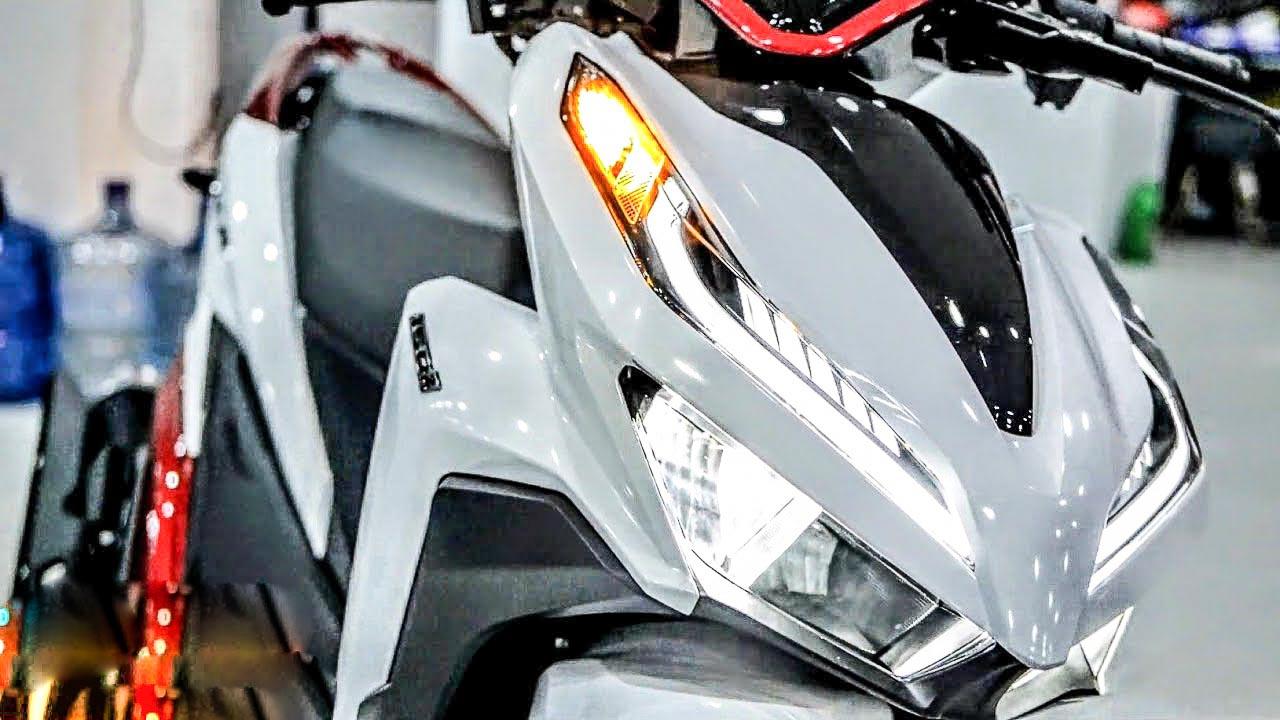
The silhouette takes cues from the Activa 125, but with a sleeker front fascia that hints at a modern electric powertrain. LED headlamps, a digital instrument cluster, and a minimalist tail‑lamp design give it a premium vibe without inflating the cost.
Feature Comparison – How It Stands Against Rivals
| Feature | Honda (rumoured) | TVS iQube | Bajaj Chetak |
|---|---|---|---|
| Battery Capacity | 2.2 kWh (Li‑ion) | 2.25 kWh | 3.0 kWh |
| Fast‑Charge (30 min) | Yes | No | Yes |
| Range (ARAI) | ~95 km | 100 km | 130 km |
| ADAS Suite | Basic (ABS, traction control) | ABS only | ABS only |
| Smartphone Connectivity | Bluetooth + OTA | Bluetooth | Bluetooth |
What catches the eye is Honda’s promise of a fast‑charge capability and a modest ADAS package that includes traction control – a rarity in the 100‑cc segment. While the Chetak still leads on pure range, Honda’s lighter weight could translate into better city‑run efficiency.
Engine (Motor) Specifications
| Spec | Detail | Implication |
|---|---|---|
| Motor Type | Brushless DC (BLDC) | Higher efficiency, low maintenance |
| Peak Power | 4.2 kW (5.6 hp) @ 4,500 rpm | Peppy for stop‑and‑go traffic |
| Continuous Torque | 30 Nm | Strong low‑speed pull |
| Battery Chemistry | Lithium‑Ion (NCM) | Better energy density |
| Charging Time | 3 h (home charger) / 30 min (fast) | Flexible for daily commuters |
These numbers place the scooter squarely in the same league as the iQube, but the added torque curve is tuned for the typical Indian traffic pattern—lots of low‑speed bursts and quick accelerations.
Price Comparison – Where Will It Land?
| Model | Ex‑Showroom Price (INR) | Launch Year |
|---|---|---|
| Honda New EV (rumoured) | ₹79,999 | 2024‑2025 |
| TVS iQube | ₹1,00,000 | 2021 |
| Bajaj Chetak | ₹1,32,000 | 2020 |
| Activa e (discontinued) | ₹69,000 | 2020‑2022 |
If the rumored ₹80,000 tag holds, Honda would undercut its major EV rivals while offering a more premium feel than the now‑defunct Activa e. That price point could be a game‑changer, especially when paired with government subsidies for electric two‑wheelers.
Localization – The Real Differentiator
Localization isn’t just about slapping a Hindi label on the dashboard. Honda plans to:
- Source the battery pack modules from Indian manufacturers, reducing import duties.
- Integrate a regional navigation map that recognises city‑specific traffic patterns.
- Offer a dual‑language voice assistant (English + Hindi) for on‑the‑go queries.
- Deploy a network of quick‑swap battery stations in Tier‑2 and Tier‑3 cities, a step beyond home charging.
Such moves not only trim the final price but also build a sense of ownership among Indian riders who often feel foreign‑made EVs are “out of reach”.
Potential Impact on the Indian EV Landscape
Honda’s brand equity in the two‑wheeler segment is unmatched. A well‑priced, locally‑engineered electric scooter could accelerate EV adoption by at least 1‑2 percentage points annually. Moreover, the inclusion of basic ADAS features may raise consumer expectations, nudging other manufacturers to up their safety game.
Personal Take – What I’d Expect on My First Ride
Having test‑ridden the Activa e and the iQube, I can say the biggest gripe is the “flat” acceleration feel. The promised 30 Nm torque from Honda feels like a breath of fresh air – imagine zip‑zapping through a Bangalore traffic jam without the usual “lag”. The fast‑charge option also means I could top up at a mall kiosk while grabbing a coffee, turning a chore into a quick pit‑stop.
Conclusion
While Honda has yet to unveil the official model, the clues point toward a scooter that marries affordability, local relevance, and a pinch of premium tech. If the company sticks to the rumored specs, Indian riders could finally enjoy an electric two‑wheeler that feels as native as the iconic Activa, yet delivers the silent, clean ride of the future. Keep an eye on Honda’s announcements later this year – the electric wave is about to get a new, decidedly Indian crest.
Source: RushLane
FAQ
- 1. When is the new Honda electric scooter expected to launch in India?
- Industry insiders suggest a launch window between Q3 2024 and early 2025, aligning with the new fiscal year.
- 2. Will the scooter come with a warranty?
- Yes, Honda is expected to offer a 2‑year or 30,000 km warranty on the battery and a standard 2‑year warranty on the vehicle.
- 3. How does the range compare to the discontinued Activa e?
- The new model targets around 95 km per charge, a noticeable jump from the Activa e’s 70 km.
- 4. Is fast‑charging compatible with existing Indian power sockets?
- Honda plans to provide a DC fast‑charger that works with 15 A, 230 V outlets common in urban parking complexes.
- 5. Will there be a kick‑starter option for battery swapping?
- Yes, Honda is piloting battery‑swap stations in select Tier‑2 cities, allowing a full swap in under 5 minutes.
- 6. Does the scooter feature any ADAS technology?
- It will include ABS and traction control, which are considered entry‑level ADAS for two‑wheelers.
- 7. Can I connect the scooter to my smartphone?
- Absolutely – a Bluetooth‑enabled Honda Connect app will provide navigation, battery stats, and OTA updates.
- 8. How will the price be affected by Indian subsidies?
- Under the Faster Adoption and Manufacturing of Hybrid & Electric Vehicles (FAME‑II) scheme, buyers could receive up to ₹20,000 in incentives, further lowering the effective price.
- 9. Will there be a variant with a larger battery?
- Rumors hint at a “Premium” version with a 3.0 kWh pack, aimed at long‑distance commuters, but this is yet to be confirmed.
- 10. Is the scooter suitable for both city and semi‑urban rides?
- Its 180 mm ground clearance and robust suspension make it comfortable on city roads, while the 95 km range comfortably covers most semi‑urban commutes.