Ramps vs. Jack Stands: Which Is Better for Working Under Your Car?
Bottom line: If you want a stable, safe lift for long‑duration work, jack stands win; if you need speed and portability, ramps are more convenient.
Ramps vs. Jack Stands: Which Is Better for Working Under Your Car?
Image: Ramps vs. Jack Stands: Which Is Better for Working Under Your Car? – Performance Comparison and Specifications
Design & Build
Both tools are made of steel or aluminum, but they solve the lift problem in opposite ways. Ramps are essentially inclined planes that you drive the front wheels onto. They’re low‑profile, often with a rubberized surface for grip, and they sit directly on the ground.
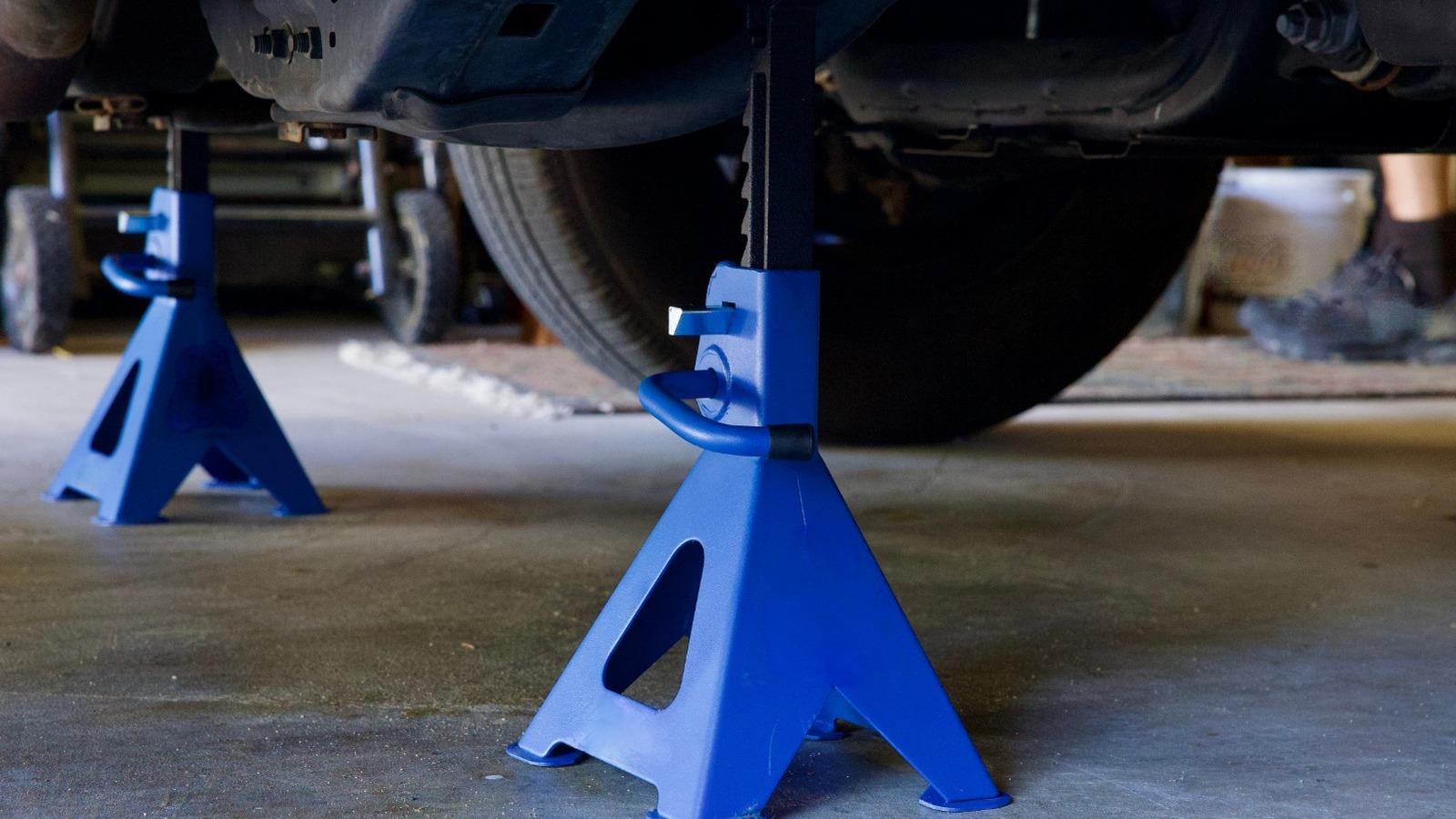
Jack stands, on the other hand, are independent supports that hold the car after a floor jack lifts it. You place a stand under a designated jacking point, then lock the stand at the desired height. The stand’s base spreads the load over a larger area, which can be a safety advantage on uneven garage floors.
- Portability: Ramps fold flat and weigh less than a pair of stands.
- Durability: Heavy‑duty stands often have a higher weight rating (up to 6,000 lb) compared with most ramps (3,000‑4,000 lb).
- Setup time: Ramps are ready in seconds; stands need a floor jack and a bit of positioning.
Safety & Performance
When you’re under a car for an oil change, brake job, or suspension tweak, stability is king. Jack stands lock in place, so even if you bump the car, it won’t drop. Ramps rely on the wheels staying seated, which can be a concern on rough surfaces or if the vehicle is heavily loaded.
However, ramps give you a higher lift height right away—often 8‑12 inches—making it easier to slide under a low‑riding truck. With stands, you first raise the car with a jack, then support it, which can add a few minutes to the process.
- Weight capacity: Choose stands that exceed your vehicle’s curb weight by at least 1,000 lb.
- Ground condition: Ramps need a flat, solid floor; stands work better on uneven or concrete surfaces.
- Repeated use: For weekly maintenance, stands pay off in safety; for occasional jobs, ramps are a handy shortcut.
Price & Alternatives
Entry‑level ramps start around $30 for a pair, while basic jack stands run $40‑$60. Premium models with higher weight ratings or fold‑able designs can climb to $150‑$200. If budget is tight, a set of ramps plus a cheap floor jack can cover most DIY tasks, but you’ll still need a stand for any job that lasts more than a few minutes.
Other options include lift tables, which are expensive but provide a perfectly level work surface, and wheel lifts that combine the speed of ramps with a built‑in safety lock. Most hobbyists find that a good pair of stands plus a modest floor jack hits the sweet spot between cost and confidence.
| Engine | Mileage | Price | Top Features |
|---|---|---|---|
| N/A | N/A | $30‑$200 | Weight rating, portability, stability, ease of use |
FAQ
- Can I use ramps for a heavy truck? Ramps are fine for light trucks, but always check the weight rating; many ramps max out around 4,000 lb.
- Do I need a floor jack if I buy jack stands? Yes – stands are only supports. A floor jack raises the vehicle to the stand’s height.
- Which tool is safer for a first‑time DIYer? Jack stands generally provide more safety because they lock the car in place, reducing the chance of a sudden drop.
Got a favorite lift method or a story about a close call? Drop a comment below – we’d love to hear how you keep your garage safe.
Source: Read Official News