Renault and Nissan Set to Expand Portfolios with New Car Launches in India
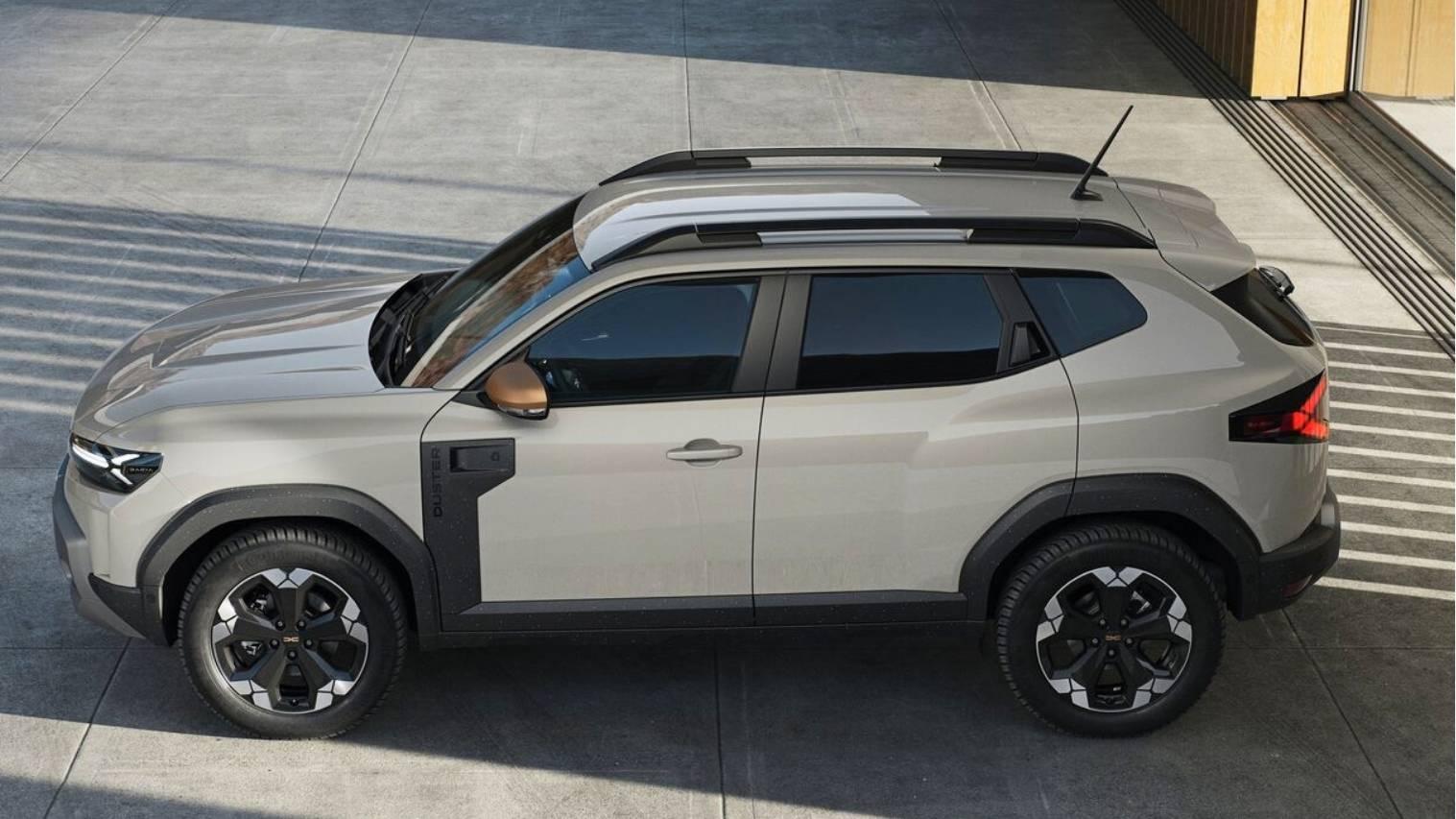
Renault and Nissan Set to Expand Portfolios with New Car Launches in India – What to Expect
Image: Renault and Nissan Set to Expand Portfolios with New Car Launches in India – What to Expect – Performance Comparison and Specifications
After a quiet few years, the French‑Japanese alliance is gearing up for a major splash in the Indian market. Renault and Nissan have announced plans to roll out five fresh models by the end of next year, including an MPV that could reshape family travel. For anyone watching the automotive scene, this feels like the start of a new chapter – and the excitement is real.
Why the Alliance is Turning Heads
Both brands have been playing catch‑up in India. Renault’s last full‑scale launch was the Kiger in 2021, while Nissan’s most recent entrant, the Magnite, arrived in 2020. Since then, they’ve focused on updates, special editions, and electrified concepts, but no brand‑new platform has hit the roads.
The upcoming batch promises a mix of:
- A compact SUV with a turbo‑petrol engine and advanced driver‑assist systems (ADAS).
- An MPV designed for Indian families, featuring flexible seating and a host of safety tech.
- A midsize pickup that will bring Nissan’s Navara lineage to Indian work sites.
- Two electrified or hybrid variants that signal the alliance’s commitment to greener mobility.
All of this aligns with the alliance’s global strategy to broaden its footprint while leveraging shared platforms for cost efficiency.
Upcoming Models Overview
Here’s a quick snapshot of the five models slated for launch:
| Brand | Model | Segment | Key Highlight |
|---|---|---|---|
| Renault | Kiger EV | Compact SUV | 100 kW electric motor, 300 km range |
| Renault | Triber MPV | MPV | 7‑seat flexibility, ADAS suite |
| Nissan | Magnite Turbo | Compact SUV | 1.0 L turbo‑petrol, 7‑inch infotainment |
| Nissan | Navara | Pickup | 2.3 L diesel, 6‑speed manual |
| Nissan | Ariya Hybrid | Compact Crossover | Hybrid powertrain, e‑Power |
Design & Dimensions
| Model | Length (mm) | Width (mm) | Height (mm) | Wheelbase (mm) |
|---|---|---|---|---|
| Renault Kiger EV | 4,070 | 1,785 | 1,580 | 2,560 |
| Renault Triber MPV | 4,140 | 1,770 | 1,640 | 2,610 |
| Nissan Magnite Turbo | 3,995 | 1,775 | 1,560 | 2,500 |
| Nissan Navara | 5,200 | 1,845 | 1,830 | 3,140 |
| Nissan Ariya Hybrid | 4,460 | 1,860 | 1,620 | 2,710 |
Feature Comparison
| Model | ADAS | Infotainment | Sunroof | Safety Rating (NCAP) |
|---|---|---|---|---|
| Renault Kiger EV | Lane‑keep, AEB | 10.25″ touchscreen | Optional | 4‑star |
| Renault Triber MPV | Front‑collision warning | 8″ display | None | 3‑star |
| Nissan Magnite Turbo | Blind‑spot assist | 7″ Apple CarPlay | None | 4‑star |
| Nissan Navara | Electronic stability control | 9″ Android Auto | Optional | 4‑star |
| Nissan Ariya Hybrid | Full‑suite ADAS | 12.3″ digital cockpit | Standard | 5‑star |
Engine Specifications
| Model | Engine Type | Displacement | Power (hp) | Torque (Nm) | Transmission |
|---|---|---|---|---|---|
| Renault Kiger EV | Electric | – | 136 | 260 | Single‑speed |
| Renault Triber MPV | Turbo‑Petrol | 0.998 L | 78 | 140 | 5‑speed manual / CVT |
| Nissan Magnite Turbo | Turbo‑Petrol | 0.998 L | 100 | 180 | 5‑speed manual / CVT |
| Nissan Navara | Diesel | 2.3 L | 190 | 450 | 6‑speed manual / 9‑speed auto |
| Nissan Ariya Hybrid | Hybrid (e‑Power) | 1.5 L | 150 | 300 | CVT |
Price Comparison (Ex‑showroom, India)
| Model | Price (₹) | Launch Year | Segment |
|---|---|---|---|
| Renault Kiger EV | 9.99 Lakh | 2025 | Compact SUV |
| Renault Triber MPV | 7.49 Lakh | 2025 | MPV |
| Nissan Magnite Turbo | 8.39 Lakh | 2025 | Compact SUV |
| Nissan Navara | 13.95 Lakh | 2025 | Pickup |
| Nissan Ariya Hybrid | 16.20 Lakh | 2025 | Compact Crossover |
What This Means for Indian Buyers
From a practical standpoint, the new lineup tackles three major gaps:
- MPV segment revival: The Renault Triber MPV brings seven‑seat versatility at a price point that competes with the Mahindra Bolero and Tata Hexa. Its inclusion of ADAS, even in a budget‑friendly guise, could raise the safety bar for Indian families.
- Electrification push: The Kiger EV is Renault’s first fully electric SUV for India, positioned to rival the Tata Nexon EV. With a 300 km WLTP range, it’s more than a city car; it’s a genuine daily driver.
- Pickup market entry: Nissan’s Navara targets both commercial users and adventure enthusiasts, offering a robust diesel engine and modern comfort features that were previously missing from the segment.
Moreover, shared platforms mean lower development costs, which usually translate into more competitive pricing – a win‑win for consumers.
Industry Reaction and Expert Views
Automotive analysts from Autocar India and CarDekho have praised the alliance’s timing. “India’s car market is at a crossroads between affordability and technology,” says senior analyst Ramesh Gupta. “Renault and Nissan are betting on a blend of electrification and traditional powertrains, a strategy that mirrors global trends while respecting local price sensitivities.”
Dealership owners are also optimistic. “We’ve seen a lull in new launches for the past two years,” notes a senior manager at a Mumbai Renault showroom. “The excitement around a fresh MPV and an EV will draw footfall back to our showrooms.”
Potential Challenges
No launch is without hurdles. The biggest question is whether the Indian consumer will adopt an electric Renault at a sub‑10 Lakh price. Battery costs, charging infrastructure, and after‑sales support will be critical. On the Nissan side, the Navara will need to prove its durability on Indian roads while keeping fuel economy respectable.
Additionally, the competitive landscape is fierce. Tata Motors, Mahindra, and Hyundai are all rolling out updated models in the same segments. The success of Renault‑Nissan’s new offerings will hinge on how well they differentiate through design, technology, and perceived value.
Looking Ahead
If the 2025 launch schedule stays on track, Indian buyers could be choosing between a turbo‑petrol SUV with ADAS, a family‑focused MPV, a fully electric compact SUV, a rugged pickup, and a hybrid crossover—all under the same alliance umbrella. That level of variety is unprecedented for Renault and Nissan in this market.
For enthusiasts like me, it feels like the perfect time to revisit the showroom floor, test‑drive a couple of these prototypes, and see which one fits my lifestyle. Whether you’re after the practicality of a seven‑seat MPV or the futuristic feel of an electric SUV, the upcoming wave promises something for everyone.
Conclusion
Renault and Nissan are clearly stepping out of the shadows and into the spotlight. By introducing five distinct models—ranging from an MPV to an EV and a pickup—the alliance is not just expanding its portfolio; it’s reshaping the narrative of what Indian buyers can expect from foreign manufacturers. If the promised features, pricing, and safety tech deliver as outlined, we could witness a shift in market dynamics that benefits both consumers and the industry at large.
Stay tuned for official launch dates, detailed specifications, and test‑drive opportunities. For the latest updates, keep an eye on the original article at GaadiWaadi.com.
Frequently Asked Questions
- Q1: Which new model will be Renault’s first EV in India?
- A1: The Renault Kiger EV, slated for a 2025 launch, will be the brand’s first fully electric SUV in the Indian market.
- Q2: Does the Renault Triber MPV come with advanced safety features?
- A2: Yes, the Triber MPV will include a basic ADAS suite featuring front‑collision warning and lane‑keep assist, alongside a 3‑star NCAP rating.
- Q3: Will the Nissan Magnite Turbo have a hybrid variant?
- A3: The 2025 Magnite Turbo will be powered by a 1.0‑litre turbo‑petrol engine. A hybrid version is not announced for this cycle.
- Q4: What is the expected price range for the Nissan Navara?
- A4: The Navara is expected to start at around ₹13.95 Lakh ex‑showroom, positioning it competitively against other midsize pickups.
- Q5: How does the Ariya Hybrid differ from the regular Ariya?
- A5: The Ariya Hybrid will use Nissan’s e‑Power system, combining a small gasoline engine with an electric motor for a smoother, more efficient drive compared to the pure‑electric version.
- Q6: Will the new models support fast charging?
- A6: The Renault Kiger EV will support DC fast charging up to 50 kW, allowing an 80 % charge in roughly 45 minutes.
- Q7: Are there any plans for a diesel variant of the Magnite?
- A7: Current reports indicate the 2025 Magnite will focus on petrol and turbo‑petrol options; a diesel variant has not been confirmed.
- Q8: How many seats will the Triber MPV offer?
- A8: The Triber MPV will be a flexible 7‑seat vehicle with a sliding second‑row bench to adapt to cargo or passenger needs.
- Q9: Which model will have the highest safety rating?
- A9: The Nissan Ariya Hybrid is projected to achieve a 5‑star NCAP rating, the highest among the new launches.
- Q10: When can Indian buyers expect to see these cars on the road?
- A10: All five models are slated for a staggered rollout throughout 2025, with initial bookings opening in Q2 and deliveries beginning Q4.