Renault Cars to Get Pricier from January 1, 2026 – What Buyers Need to Know
Renault Cars to Get Pricier from January 1, 2026 – What Buyers Need to Know
Image: Renault Cars to Get Pricier from January 1, 2026 – What Buyers Need to Know – Performance Comparison and Specifications
- Advertisement -
Renault India announced a price hike of up to 2 percent for its current lineup, effective from January 1 2026. While a double‑digit increase might sound dramatic, the actual numbers are modest – yet they matter for anyone eyeing a Kwid, Triber or Kiger. In this article we unpack why the hike is happening, how it will affect each model, and what the upcoming Duster SUVs could mean for your next purchase.
Why is Renault Raising Prices?
There are three main forces behind the decision:
- Advertisement -
- Rising input costs – steel, aluminum and electronic components have all seen price spikes over the last year.
- Currency volatility – the rupee’s fluctuations against the euro increase the cost of importing parts.
- Regulatory pressures – stricter safety and emission norms push manufacturers to invest in ADAS (Advanced Driver‑Assistance Systems) and cleaner engines.
Renault chose a uniform 2 percent increase rather than a blanket jump, meaning the exact impact will differ from model to model.
What the New Prices Mean for Each Model
Renault Kwid – The Budget Champion
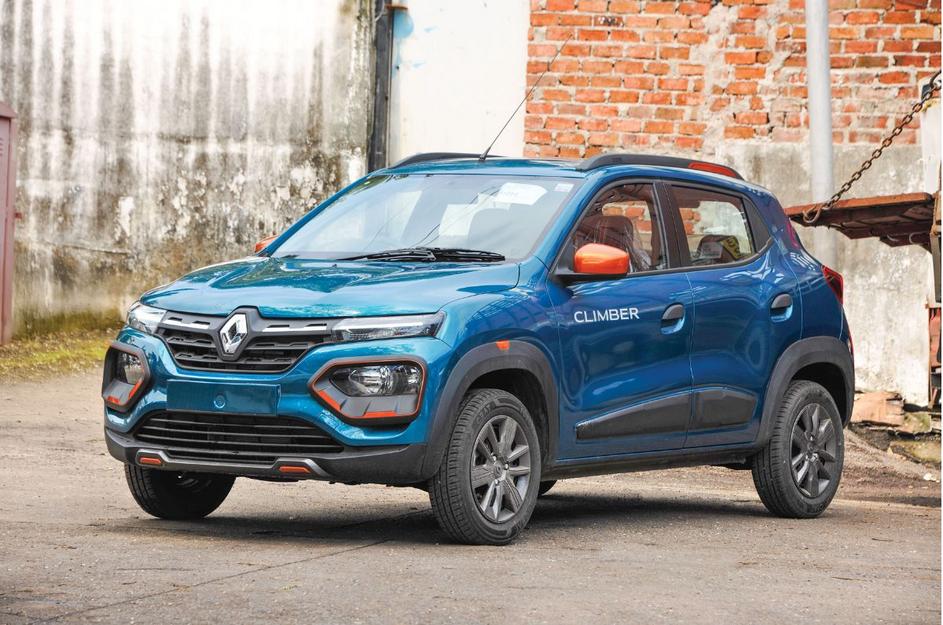
The Kwid currently starts at ₹4.30 lakh for the base Authentic trim and tops out at ₹5.88 lakh for the Climber variant. After the hike, expect the range to shift to roughly ₹4.38 lakh – ₹6.00 lakh. The dual‑tone colour option, which already adds about ₹10,900, will stay the same – the extra cost comes purely from the base price adjustment.
Renault Triber – The Versatile 7‑Seater
The Triber’s price band of ₹5.76 lakh – ₹8.39 lakh will move to approximately ₹5.88 lakh – ₹8.55 lakh. The jump is most noticeable on the top‑end Emotion trim, which packs a larger infotainment screen and additional safety features.
- Advertisement -
Renault Kiger – The Young‑Blood SUV
Currently priced between ₹5.76 lakh and ₹10.34 lakh, the Kiger will see its range adjust to about ₹5.88 lakh – ₹10.54 lakh. The 1.0‑litre three‑cylinder engine will continue to dominate the lower trims, while the 1.3‑litre turbo‑petrol (producing ~156 hp) will be reserved for the sportier variants.
Upcoming Renault SUVs in 2026
Renault isn’t just hiking prices – it’s also gearing up to launch two fresh models:
- New Duster – a second‑generation SUV expected in summer 2026, equipped with a 1.3‑litre turbo‑petrol engine and optional CVT.
- 7‑Seater Duster – a larger sibling slated for the last quarter of 2026, likely sharing the same powertrain but tuned for the extra weight.
Both SUVs will feature a baseline 1.0‑litre engine (similar to the Kiger) for entry‑level variants, but with a higher state of tune to keep performance lively.
- Advertisement -
Quick Reference Tables
Design & Dimensions
| Model | Length (mm) | Width (mm) | Height (mm) | Wheelbase (mm) |
|---|---|---|---|---|
| Renault Kwid | 3,739 | 1,595 | 1,490 | 2,395 |
| Renault Triber | 3,995 | 1,695 | 1,625 | 2,521 |
| Renault Kiger | 3,995 | 1,770 | 1,625 | 2,500 |
Feature Comparison
| Feature | Kwid | Triber | Kiger |
|---|---|---|---|
| Infotainment | 7‑inch touchscreen | 8‑inch touchscreen | 9‑inch touchscreen |
| ADAS | Basic ESC | ESC + Hill‑Hold | ESC + Hill‑Hold + Lane‑Assist (top trims) |
| Safety | 2‑airbags | 2‑airbags + ISOFIX | 2‑airbags + ISOFIX + Front‑impact sensor |
| Transmission | 5‑speed manual / AMT | 5‑speed manual / AMT | 6‑speed manual / CVT |
Engine Specifications
| Model | Engine | Power | Torque | Transmission |
|---|---|---|---|---|
| Kwid | 0.8‑litre petrol | 53 hp | 72 Nm | 5‑MT / 5‑AMT |
| Triber | 1.0‑litre petrol | 68 hp | 92 Nm | 5‑MT / 5‑AMT |
| Kiger | 1.0‑litre 3‑cyl | 71 hp | 96 Nm | 5‑MT / 5‑AMT |
| Kiger (Turbo) | 1.3‑litre turbo‑petrol | 156 hp | 260 Nm | 6‑MT / CVT |
Price Comparison (Ex‑Showroom, Delhi)
| Model | Trim | Pre‑Hike Price | Post‑Hike Price |
|---|---|---|---|
| Kwid | Authentic | ₹4,30,000 | ₹4,38,600 |
| Kwid | Climber | ₹5,88,000 | ₹5,99,760 |
| Triber | Base | ₹5,76,000 | ₹5,87,520 |
| Triber | Emotion | ₹8,39,000 | ₹8,55,780 |
| Kiger | Base | ₹5,76,000 | ₹5,87,520 |
| Kiger | Top | ₹10,34,000 | ₹10,54,680 |
Should You Wait for the New Duster?
If you’re not in a hurry, the upcoming Duster line‑up could be worth the wait. The 1.3‑litre turbo‑petrol engine promises a smoother ride and better fuel efficiency than the Kiger’s 1.0‑litre unit. Plus, the newer platform is likely to incorporate more advanced ADAS features – things like autonomous emergency braking and adaptive cruise control that the current models only offer on premium trims.
However, the Duster’s launch is slated for mid‑2026, and initial pricing could be higher than the post‑hike Kwid or Triber. For budget‑conscious buyers, the modest 2 percent increase on the existing lineup is still a better deal than waiting for a brand‑new SUV that may cost 5‑10 percent more.
Tips to Mitigate the Price Hike
- Book early. Dealers often lock in the pre‑hike price if you sign a reservation before December 31 2025.
- Leverage existing offers. Renault’s seasonal discounts, exchange‑bonus schemes, and finance promos usually stack on top of the base price.
- Consider a lower trim. The base Authentic or Base variants still deliver the essential Renault DNA – low running cost, decent mileage, and a compact footprint.
- Explore certified‑pre‑owned. A lightly used Kwid or Triber from 2024‑2025 may already be priced below the new post‑hike figures.
Conclusion
The 2 percent price revision that kicks in on January 1 2026 is a clear signal that rising input costs and currency pressures are not going away. While the numbers are modest, they affect every buyer who’s been eyeing a Renault Kwid, Triber or Kiger. At the same time, the promise of a refreshed Duster and a 7‑seater sibling adds an exciting new dimension to Renault’s Indian portfolio.
- Advertisement -
Whether you decide to lock in the current models before the hike or wait for the next‑gen SUVs, the key is to act with the information you have now – and maybe enjoy a little extra bargaining power before the calendar flips.
FAQ
1. Which Renault model will see the highest price increase?
All three models are slated for a 2 percent hike, but in absolute terms the Kiger’s top‑end variant will see the biggest rupee jump, moving from about ₹10.34 lakh to ₹10.54 lakh.
2. Will the price hike affect the new Duster launches?
No. Renault has stated that the 2 percent increase applies only to the existing lineup (Kwid, Triber, Kiger). The upcoming Duster models will have their own pricing strategy.
- Advertisement -
3. Are there any additional taxes or fees after the hike?
The figures quoted are ex‑showroom prices for Delhi. Local registration, road tax, and insurance will still apply on top of the revised amount.
4. Can I still get the dual‑tone colour option for the Kwid?
Yes. The colour surcharge remains unchanged at roughly ₹10,900; the price rise comes solely from the base vehicle cost.
5. Will the new Duster have ADAS features?
Industry insiders expect the refreshed Duster to offer at least basic ADAS – such as lane‑keep assist and autonomous emergency braking – on higher trims.
- Advertisement -
6. Is financing more expensive after the price hike?
Financing rates are set by banks and are independent of the ex‑showroom price. However, a higher loan amount means higher EMI, so consider the post‑hike figures when calculating your budget.
7. How does the 1.3‑litre turbo‑petrol compare to the 1.0‑litre engine?
The 1.3‑litre turbo‑petrol delivers about 156 hp and 260 Nm, offering brisk acceleration and better load‑carrying capability, especially in the upcoming Duster SUVs.
8. Will the price hike affect Renault’s warranty or service packages?
No. Warranty periods and service plans remain unchanged; only the vehicle’s selling price is adjusted.
- Advertisement -
9. Can I still negotiate after the price hike?
Dealerships often have a margin for negotiation, especially on accessories, free service packages, or exchange bonuses. It’s worth trying, even after the hike.
10. When is the best time to buy a Renault in 2026?
If you want the current models at pre‑hike rates, aim to finalize your purchase before December 31 2025. If you prefer the new Duster, wait for the summer launch and evaluate the pricing then.
- Advertisement -