Single vs Dual Overhead Cam Engines – What’s the Real Difference?
Bottom line: A single overhead cam (SOHC) uses one camshaft to operate both intake and exhaust valves, while a dual overhead cam (DOHC) uses two camshafts – one for intake, one for exhaust. DOHC designs usually give better high‑rpm power and more precise valve timing, but SOHC can be simpler and cheaper.
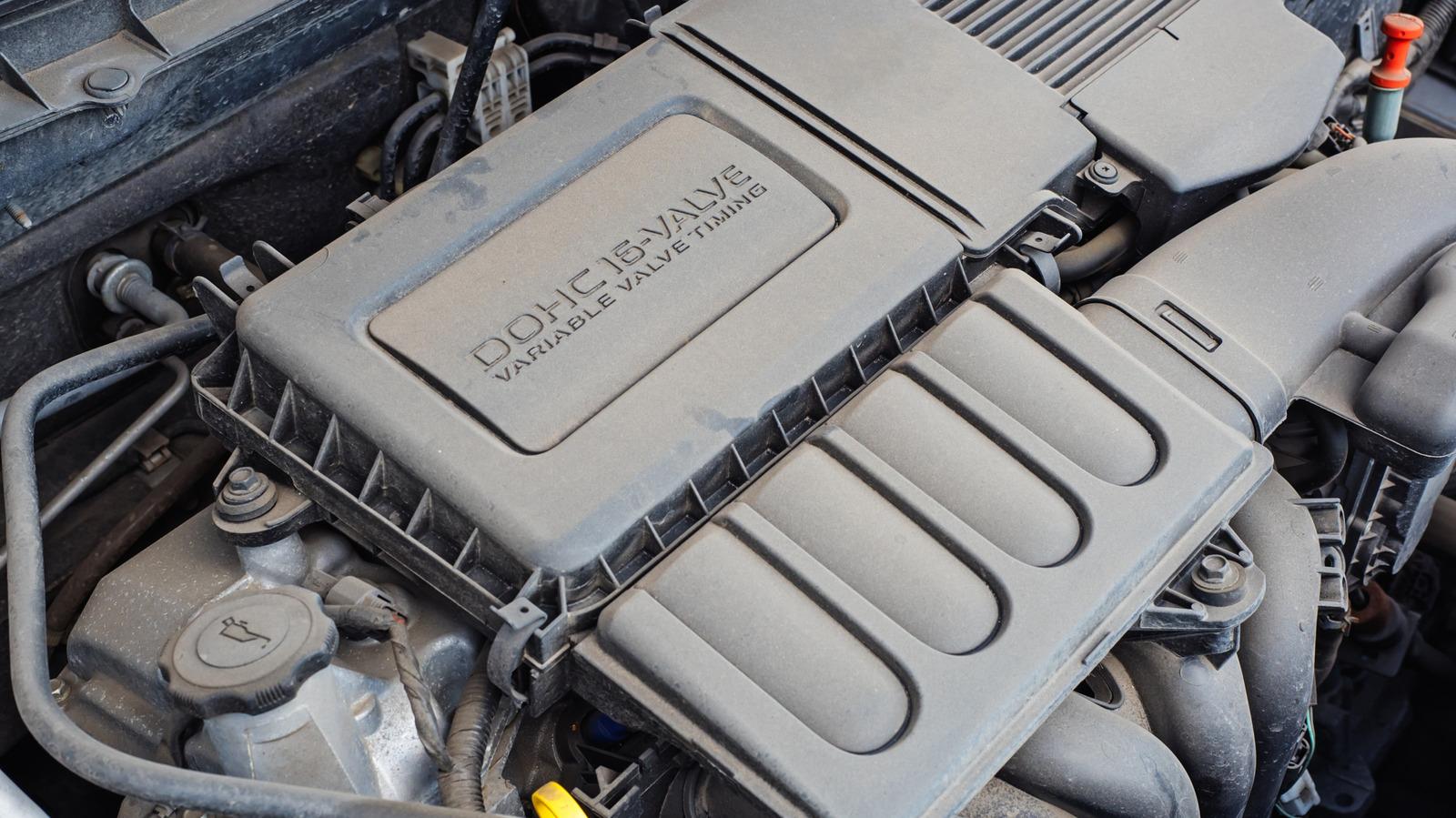
Single vs Dual Overhead Cam Engines – What’s the Real Difference?
Image: Single vs Dual Overhead Cam Engines – What’s the Real Difference? – Performance Comparison and Specifications
Design & Looks
Both SOHC and DOHC sit on top of the cylinder head, but their anatomy differs:
- SOHC: One camshaft, often driven by a chain or belt. It pushes on rocker arms that open the intake and exhaust valves.
- DOHC: Two camshafts, each directly acting on its set of valves (often via tappets). This allows four valves per cylinder without a complex rocker system.
Visually, a DOHC head looks wider because of the extra camshaft and often has a more aggressive valve cover design. In a garage, you’ll spot the extra timing belt or chain.
Performance & Mileage
When it comes to power, the extra camshaft gives DOHC engines a clear edge:
- Better airflow – four valves per cylinder improve breathing.
- Higher rev limits – the cam profiles can be tuned for sportier operation.
- More flexibility – manufacturers can add variable valve timing on each cam for efficiency.
SOHC engines are typically lighter and have fewer moving parts, which can translate to slightly better fuel economy at low to moderate speeds. However, modern SOHC designs with variable valve timing have narrowed the gap.
Price & Rivals
Because DOHC heads are more complex, they usually cost a bit more to produce and repair. That price shows up in vehicle pricing:
- Compact cars with SOHC engines often start a few thousand dollars lower than their DOHC siblings.
- Performance‑oriented models (e.g., sport coupes) almost always use DOHC for the extra power.
- Maintenance: DOHC timing belts/chains can be harder to access, meaning higher labor costs.
| Engine Type | Typical Mileage (mpg) | Price Range (USD) | Top Features |
|---|---|---|---|
| SOHC 2.0 L | 30‑35 | 18,000‑22,000 | Simple design, lower cost, decent low‑end torque |
| DOHC 2.0 L | 28‑33 | 20,000‑26,000 | Four valves per cylinder, higher rev limit, variable valve timing |
| DOHC 3.5 L V6 | 22‑27 | 30,000‑38,000 | Sporty power, smooth power delivery, advanced timing |
FAQ
- What is the main advantage of a DOHC engine? More precise control of intake and exhaust valves, which usually means better high‑rpm power and efficiency.
- Are SOHC engines cheaper to maintain? Generally yes – fewer moving parts and easier access to the camshaft make repairs simpler.
- Do DOHC engines always get better fuel economy? Not always. While they can be tuned for efficiency, the added complexity can offset savings, especially in older designs.
If you’ve ever wondered whether the extra camshaft is worth it, think about how you drive. Daily city commuters often appreciate the simplicity and low cost of a SOHC, while enthusiasts who love revving the engine will enjoy the DOHC’s breathing ability.
Got thoughts on SOHC vs DOHC? Share your experience in the comments below.
Source: Read Official News