What’s the Dumbest Winter Driving You’ve Seen?
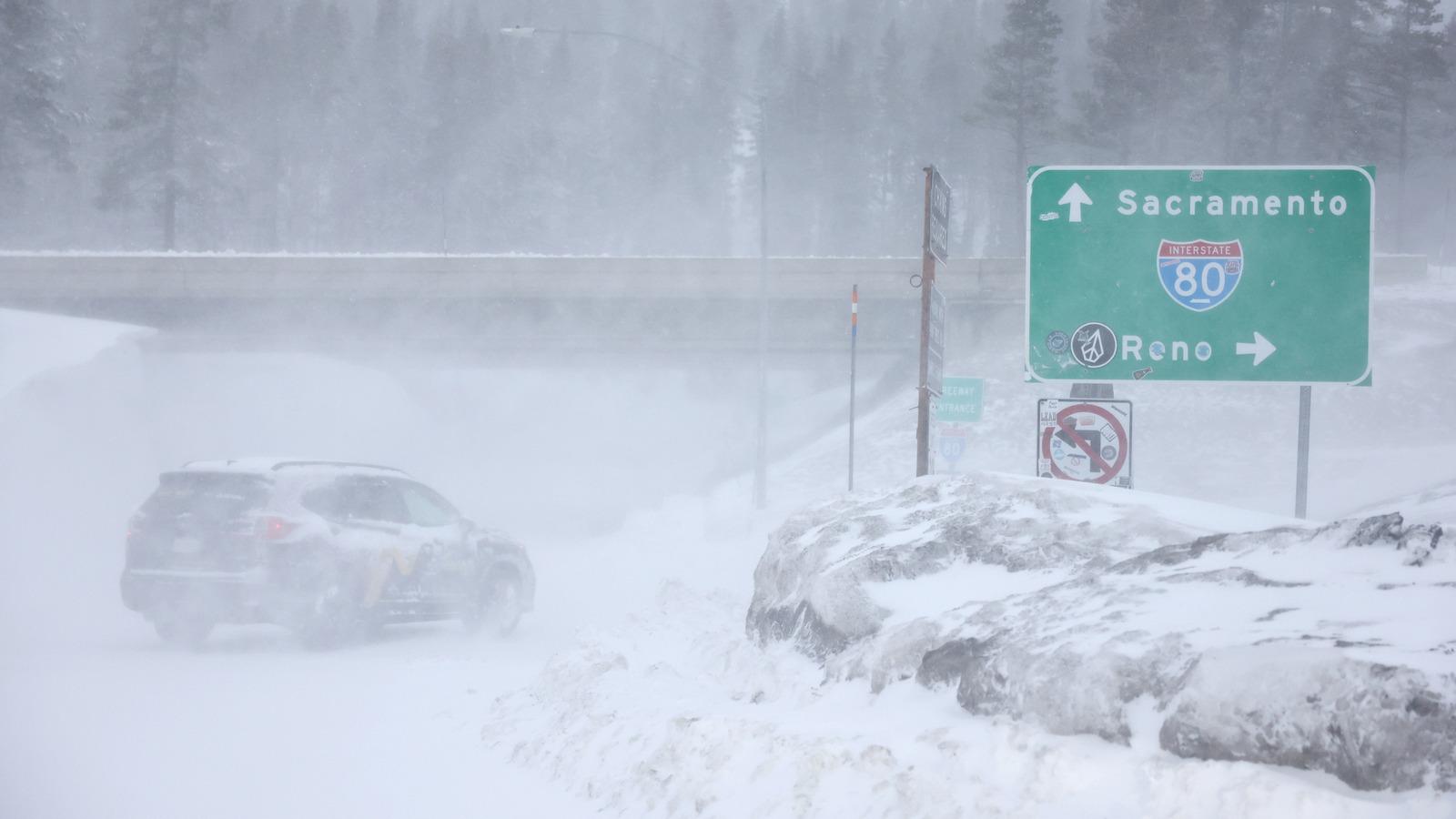
The Dumbest Winter Driving Stories You’ll Ever Hear (And How to Avoid Them)
Image: The Dumbest Winter Driving Stories You’ll Ever Hear (And How to Avoid Them) – Performance Comparison and Specifications
Advertisement
Winter can be a wonderland, but it also turns many drivers into road‑hazard storytellers. From the guy who thinks all‑wheel drive is a magic snow‑repellent to the lady who tries to brake‑dance on a black ice patch, we’ve all witnessed a moment that makes us cringe and laugh at the same time. In this post we’ll share some of the most head‑scratching winter driving tales, break down why they’re dangerous, and sprinkle in a few tables to compare the tech that can actually keep you safe when the temperature drops.
Why Winter Driving Is Different
Before diving into the anecdotes, let’s set the stage. Cold weather changes the physics of your car’s contact with the road. Rubber hardens, friction drops, and ABS and traction control become your best friends. Modern ADAS (Advanced Driver‑Assistance Systems) can even sense a loss of traction and intervene before you even realize you’re sliding.
Advertisement
The Top 5 Dumbest Winter Driving Moments
1. The “All‑Wheel Drive Is Enough” Myth
Meet Dave, a proud owner of a 2022 Subaru Outback. He proudly tells anyone who will listen that his all‑wheel drive (AWD) means he can ignore snow tires. One icy morning, Dave tried to accelerate out of a parking lot and ended up spinning in a circle, knocking over a snow‑piled mailbox. The lesson? AWD improves traction, but it doesn’t replace proper winter tires or cautious driving.
2. The “Turbo‑Petrol Is Too Fast” Over‑Confidence
Laura’s 2021 Audi S3 boasts a turbo‑petrol engine that makes 306 hp roar. She thought the power would let her blaze through a packed highway after a blizzard. Instead, she slammed the brakes on a slick stretch, and the car’s traction control kicked in, causing a sudden yaw that sent her into a snowbank. Turbo power is great, but on ice you need to respect the grip you have.
3. The “Brake‑And‑Steer” Stunt
During a weekend getaway, Mark decided to show off his “brake‑and‑steer” technique on an icy curve. He braked hard, turned the wheel sharply, and ended up performing a perfect 180‑degree spin that left his BMW X5 upside down. The car’s ABS was trying to keep the wheels from locking, but the driver’s input was too aggressive for the system to compensate.
Advertisement
4. The “Snow Plow” Misadventure
Jenny attempted to clear a driveway with her 2020 Ford F‑150 by driving straight into a deep snowdrift, revving the engine, and hoping the turbo‑charged V6 would push the snow away. The result? A stuck truck and a broken front bumper. The right tool for the job is a proper snow‑blower or, at the very least, a shovel.
5. The “Speed‑Limit‑Ignore” Gambit
On a quiet, snow‑covered highway, a teenager in a 2023 Hyundai Kona Electric decided the posted 45 mph limit was “just a suggestion.” He floored the accelerator, the car’s instant torque launched him forward, and within seconds he was sliding into the guardrail. Even electric cars with instant torque need to respect winter speed limits.
How Modern Tech Can Save You from These Mistakes
Most of the stories above could have been avoided with a few simple tools that many new‑model cars already include. Below are four tables that break down the key specs you should look for when buying a winter‑ready vehicle.
Advertisement
Table 1 – Design & Dimensions
| Model | Ground Clearance (mm) | Weight (kg) |
|---|---|---|
| Subaru Outback 2022 | 210 | 1,590 |
| Audi S3 2021 | 145 | 1,470 |
| BMW X5 2023 | 210 | 2,250 |
| Ford F‑150 2020 | 180 | 2,200 |
Table 2 – Feature Comparison
| Model | ADAS | Traction Control | ABS |
|---|---|---|---|
| Subaru Outback | EyeSight® | Yes | Standard |
| Audi S3 | Pre‑Sense® | Dynamic | Standard |
| BMW X5 | Driving Assistant Plus | Active | Standard |
| Ford F‑150 | Co‑Pilot360 | Standard | Standard |
Table 3 – Engine Specifications
| Model | Engine Type | Power (hp) | Torque (Nm) |
|---|---|---|---|
| Subaru Outback | 2.5 L Boxer | 182 | 236 |
| Audi S3 | 2.0 L Turbo‑Petrol | 306 | 400 |
| BMW X5 | 3.0 L Turbo‑Petrol | 335 | 450 |
| Ford F-150 | 3.5 L EcoBoost V6 | 400 | 580 |
Table 4 – Price Comparison (USD)
| Model | Base MSRP | Winter‑Package | Total |
|---|---|---|---|
| Subaru Outback | $27,845 | $1,200 | $29,045 |
| Audi S3 | $45,300 | $2,500 | $47,800 |
| BMW X5 | $61,600 | $3,300 | $64,900 |
| Ford F‑150 | $32,970 | $1,800 | $34,770 |
Practical Tips to Avoid Becoming the Next Winter Story
- Invest in proper winter tires. They provide up to 35% more grip on icy surfaces compared to all‑season tires.
- Respect speed limits. Slower speeds mean more reaction time and less kinetic energy to manage on a slip.
- Use ABS and traction control wisely—don’t fight them with harsh steering inputs.
- Enable ADAS safety suites such as lane‑keep assist and forward‑collision warning; they are especially helpful when visibility drops.
- Plan your route and keep an emergency kit (blanket, snacks, a fully charged phone) in the car.
Real‑World Example: How a Volvo XC90 Handled a Black Ice Surprise
Last December, a friend of mine was driving a 2023 Volvo XC90 on a suburban road that suddenly turned into black ice. The vehicle’s City Safety system detected the loss of traction and automatically applied a gentle brake while gently steering the car back onto the lane. No panic, no spin—just a calm, controlled stop. This is the kind of technology‑assisted driving that can turn a dumb mistake into a learning moment.
Conclusion: Turn Your Winter Tales into Teaching Moments
We’ve all laughed at the “I thought AWD would fix everything” story, but the truth is that safe winter driving is a blend of the right equipment, respect for the road, and a dash of modern tech. Next time you spot a driver attempting a stunt on a snow‑covered curve, think of the stories above and consider offering a friendly reminder about proper tire choice or the benefits of ADAS. After all, the best winter driving memory is the one where everyone gets home safely.
For more winter‑driving anecdotes and safety tips, check out the original inspiration: Cars.com – Dumb Winter Driving Stories.
Advertisement
FAQ
- 1. Do all‑wheel‑drive vehicles need winter tires?
- Yes. AWD improves traction but cannot compensate for the reduced grip of summer or all‑season tires on ice.
- 2. What does ADAS stand for?
- Advanced Driver‑Assistance Systems – features like lane‑keep assist, adaptive cruise control, and automatic emergency braking.
- 3. Can turbo‑petrol engines be dangerous in the snow?
- They can be if you over‑rev or accelerate too aggressively; the extra power makes loss of traction more likely.
- 4. How does ABS help on icy roads?
- ABS prevents wheel lock‑up, allowing you to steer while braking, but it doesn’t eliminate the need for smooth inputs.
- 5. Should I use the “snow mode” on my car?
- Many modern cars have a snow or winter mode that softens throttle response and adjusts traction control—use it for better stability.
- 6. Is a higher ground clearance important for winter driving?
- Higher clearance helps clear deep snow, but it also raises the center of gravity, so balance it with proper tires.
- 7. What is the best speed for driving on packed snow?
- Typically 30–40 mph (48–64 km/h) is safe; adjust lower if visibility is poor or the surface is icy.
- 8. Are electric cars safe in extreme cold?
- Yes, but battery performance drops; pre‑heat the cabin while plugged in to preserve range.
- 9. How often should I replace winter tires?
- Every 4–6 years or when tread depth falls below 4 mm; harsh winter conditions wear them faster.
- 10. Can I rely solely on traction control to prevent slides?
- No. Traction control helps, but driver technique—smooth steering and braking—remains essential.