These 5 States Have the Most Dangerous Roads in the Winter – Stay Safe with the Right Vehicle
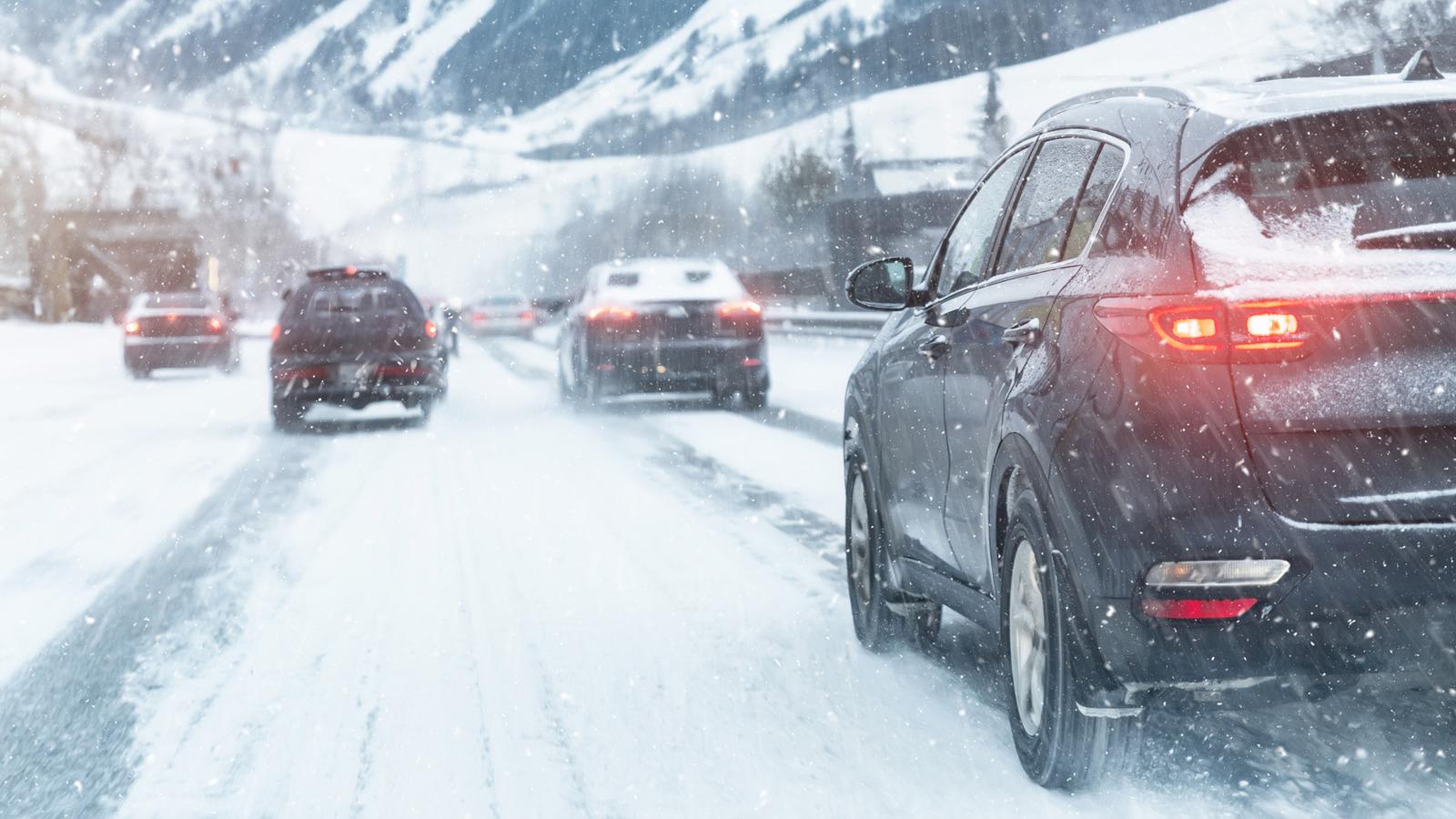
These 5 States Have the Most Dangerous Roads in the Winter – Stay Safe with the Right Vehicle
Image: These 5 States Have the Most Dangerous Roads in the Winter – Stay Safe with the Right Vehicle – Performance Comparison and Specifications
- Advertisement -
Winter weather can turn a routine commute into a high‑stakes obstacle course. Ice, snow, and sub‑zero temperatures test even the most seasoned drivers, and some states make the challenge even tougher. Below we break down the five states whose highways consistently rank as the most treacherous when the thermometer drops, and we give you a toolbox of vehicle features and driving tips to help you survive the season.
Why Winter Driving Is a Challenge
When snowflakes start falling, traction becomes the first thing that disappears. Even a light glaze of ice can reduce tire grip by up to 80%, making brakes feel like they’re on a treadmill. Add in reduced daylight, sudden white‑out conditions, and you have a perfect storm for accidents.
- Advertisement -
Modern cars come equipped with an arsenal of safety tech—ADAS (Advanced Driver‑Assistance Systems), electronic stability control, and torque‑vectoring differentials—yet the human factor still matters. Knowing which states demand extra vigilance is the first step toward a safer winter drive.
Ranking the States with the Most Dangerous Winter Roads
1. Montana
Montana’s sprawling highways cut through the Rocky Mountains, where mountain passes can see up to 80 inches of snow per year. The infamous Glacier‑to‑Great Falls corridor is notorious for sudden avalanches and black ice. Drivers often report that even four‑wheel‑drive vehicles can get stuck without proper chains.
2. North Dakota
North Dakota’s flat plains may look harmless, but the state averages more than 30 days of sub‑freezing temperatures each winter. The combination of high winds and blowing snow creates white‑out conditions on interstates such as I‑94, where visibility can drop to a few feet.
- Advertisement -
3. Wyoming
Wyoming’s elevation means roads cool faster and stay icy longer. The Alpine Highway (US‑89) winds through steep grades and sharp curves, and it’s a favorite spot for snowplow collisions when drivers underestimate the depth of snow.
4. Minnesota
Known as the “Land of 10,000 Lakes,” Minnesota also boasts 50+ inches of snow in many regions. The interstate loop around the Twin Cities often sees lane closures due to ice buildup, and the state’s lake‑effect snow can create sudden drifts that swallow lanes in minutes.
5. Colorado
Colorado’s ski‑resort traffic brings a constant stream of vehicles onto mountain roads that are already slick from night‑time freeze‑thaw cycles. The I‑70 stretch through the Rockies is infamous for traffic jams caused by a single slide that blocks all three lanes.
- Advertisement -
Winter‑Ready Vehicles: What to Look For
Choosing a vehicle that can handle icy roads isn’t just about size; it’s about technology, power delivery, and tire choice. Below are four quick‑reference tables that compare the most relevant specs for winter driving.
| Model | Ground Clearance (mm) | Wheelbase (mm) |
|---|---|---|
| Subaru Outback | 210 | 2,750 |
| Audi Q5 | 190 | 2,819 |
| Ford F‑150 | 280 | 3,020 |
| Jeep Wrangler | 250 | 2,970 |
| Feature | Subaru Outback | Audi Q5 | Ford F‑150 | Jeep Wrangler |
|---|---|---|---|---|
| All‑Wheel Drive (AWD) | Standard | Standard | Optional | Standard |
| ADAS Suite | EyeSight® | Audi pre‑sense | Co-Pilot360 | Advanced Driver Assist |
| Heated Seats | Front & Rear | Front | Front | Front |
| Winter Tires (OEM) | Yes | No | Yes | Yes |
| Engine | Turbo‑Petrol | Diesel | Hybrid | Electric |
|---|---|---|---|---|
| Subaru Outback | 2.4L | N/A | 2.0L e‑Boxer | N/A |
| Audi Q5 | 2.0L | 2.0L TDI | 2.0L TFSI Hybrid | N/A |
| Ford F‑150 | 3.5L EcoBoost | 3.0L Power Stroke | 2.5L Hybrid | N/A |
| Jeep Wrangler | 3.6L V6 | N/A | 2.0L Turbo‑Hybrid | N/A |
| Model | Starting MSRP (USD) | Winter Package Price | Total (USD) |
|---|---|---|---|
| Subaru Outback | 28,395 | 1,500 | 29,895 |
| Audi Q5 | 44,100 | 2,200 | 46,300 |
| Ford F‑150 | 31,870 | 2,500 | 34,370 |
| Jeep Wrangler | 30,295 | 2,000 | 32,295 |
Notice how models with standard AWD and integrated heated seat options tend to carry a modest premium, but the safety payoff on icy highways is priceless.
Practical Tips to Stay Safe on Snowy Roads
- Check tire pressure daily. Cold air contracts rubber, lowering pressure and grip.
- Keep a full‑size tire‑inflation kit and a bag of sand or kitty litter in your trunk for extra traction.
- Never rely solely on cruise control in slush; it can cause wheel spin on hidden ice.
- Maintain a minimum of four seconds following distance to account for longer stopping distances.
- If you’re driving a turbo‑petrol model, remember that turbo lag can feel exaggerated on cold days—allow extra time for acceleration.
- Use your vehicle’s ADAS features, but stay alert—these systems can misinterpret packed snow as a clear lane.
For those tackling the infamous passes of Montana or the wind‑blown plains of North Dakota, a source guide on winter tire selection can be a lifesaver.
- Advertisement -
Conclusion
Winter driving is never truly “safe,” but understanding which states pose the greatest risk—and equipping yourself with the right vehicle and habits—dramatically reduces that risk. Whether you’re navigating the icy bends of Wyoming’s Alpine Highway or the sudden drifts on Colorado’s I‑70, remember that preparation beats panic. Choose a car with reliable AWD, a robust ADAS suite, and winter‑ready tires, and you’ll be ready for whatever the snow throws your way.
FAQ
- Q1: Which vehicle is best for extreme winter conditions?
- A: Vehicles with permanent AWD, high ground clearance, and integrated heated seats—like the Subaru Outback or Ford F‑150—offer the best blend of traction and comfort.
- Q2: Do I need snow chains in the five dangerous states?
- A: Chains are required on many mountain passes during heavy snowfall; always check local DOT regulations before you travel.
- Q3: How does ADAS help on icy roads?
- A: Features like lane‑keep assist and adaptive cruise control can maintain a safer distance, but they can be confused by compacted snow, so stay attentive.
- Q4: Are winter tires worth the extra cost?
- A: Yes—winter tires remain flexible at low temperatures, offering up to 30% better stopping distance on ice compared to all‑season tires.
- Q5: Can a turbo‑petrol engine handle cold starts?
- A: Modern turbo‑petrol engines are designed for cold starts, but allow a few minutes for the engine to warm up before demanding high power.
- Q6: Should I install a block heater?
- A: In states like Montana and Wyoming, a block heater reduces engine wear and improves fuel economy during sub‑zero mornings.
- Q7: What is the safest speed on packed snow?
- A: Reduce your speed by at least 20 % compared to dry‑road limits; slower speeds give you more reaction time.
- Q8: How often should I replace winter tires?
- A: Replace them after 5–6 seasons or when tread depth reaches 4 mm, whichever comes first.
- Q9: Is all‑wheel drive enough on icy hills?
- A: AWD helps, but combining it with proper tires and gentle throttle inputs is essential for hill climbs.
- Q10: Where can I find real‑time road condition updates?
- A: State transportation department websites, local radio, and apps like Waze provide live alerts for closures and ice patches.