What Causes a Spark Plug to Eject (And How to Fix It)
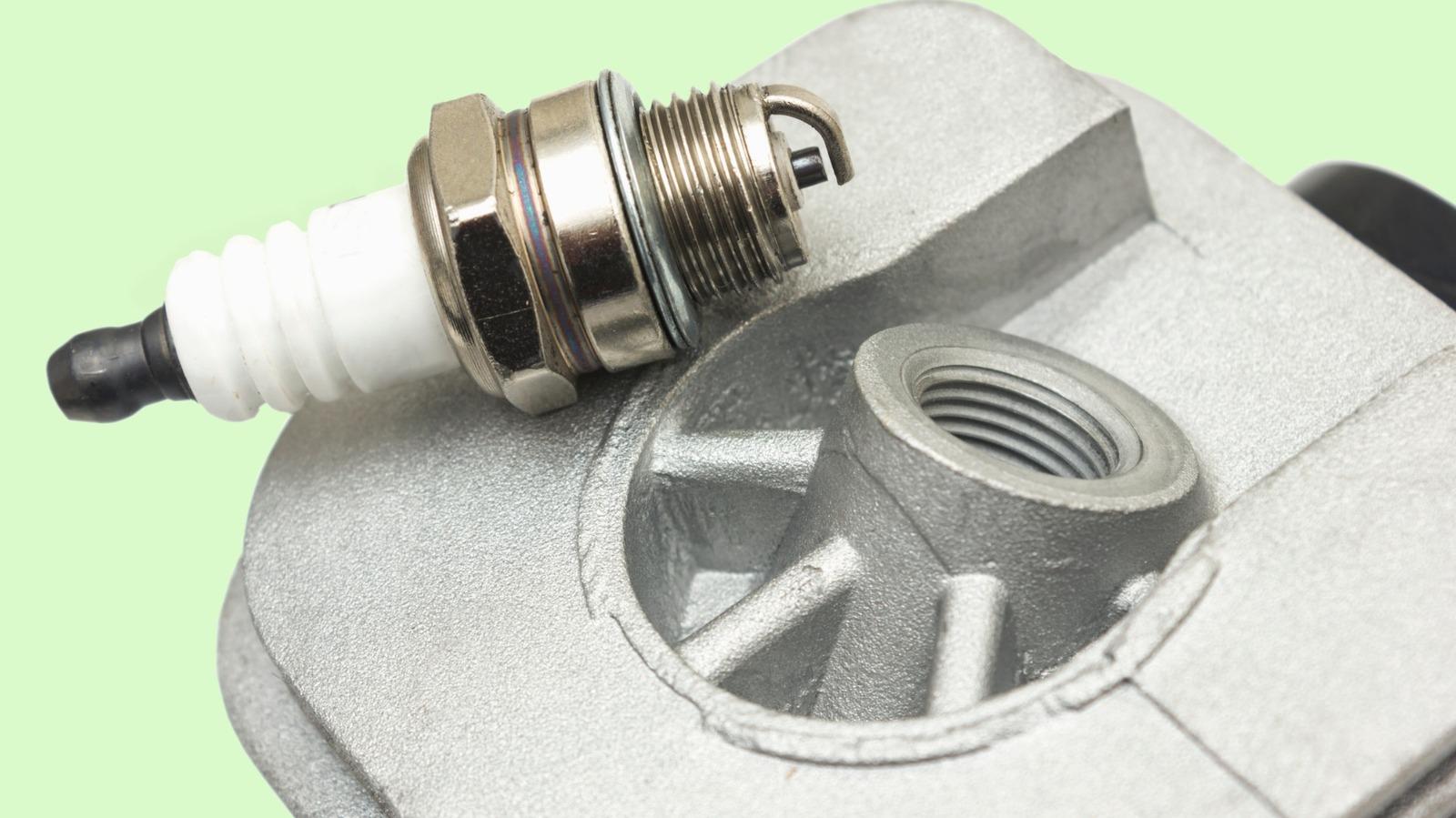
What Causes a Spark Plug to Eject (And How to Fix It)
Image: What Causes a Spark Plug to Eject (And How to Fix It) – Performance Comparison and Specifications
If you’ve driven a gas‑powered car for long enough, you might’ve had to deal with spark plug ejection at one point or another. It’s one of those odd‑ball issues that can leave you staring at a smoking engine bay and wondering what on earth went wrong. In this guide we’ll break down the common culprits, show you how to diagnose the problem, and walk you through practical fixes – all while keeping the tone conversational and easy to follow.
Why Spark Plug Ejection Happens
Before we dive into the repair steps, it helps to understand the mechanics behind a spark plug’s sudden launch. In most cases, the ejection is a symptom of a deeper problem rather than a random mishap.
1. Over‑tightening or Under‑tightening
The most frequent cause is incorrect torque. If the plug is over‑tightened, the threads can strip or the ceramic insulator may crack, creating a weak point that bursts under combustion pressure. Conversely, a plug that’s too loose can be pulled out by the force of the expanding gases during the power stroke.
2. Incorrect Spark Plug Type
Modern engines – especially those equipped with turbo‑petrol setups or advanced driver‑assistance systems (ADAS) – demand plugs with specific heat ranges and electrode designs. Using a plug designed for a naturally aspirated engine in a turbo‑charged unit can lead to overheating, which weakens the plug’s ceramic and makes it more likely to eject.
3. Engine Over‑Revving
When you push a vehicle like a Ford Mustang GT or a Honda Civic Type R into the redline repeatedly, the cylinder pressure spikes. If the plug’s seating isn’t perfect, those pressure spikes can literally blow the plug out of the cylinder head.
4. Damaged Cylinder Head Threads
Corrosion, previous over‑torquing, or a mishandled installation can damage the threads in the cylinder head. A damaged thread won’t grip the plug securely, giving it room to move when the engine fires.
How to Diagnose a Spark Plug Ejection Issue
Diagnosing the problem starts with a visual inspection followed by a systematic check of related components.
| Inspection Step | What to Look For | Tools Needed |
|---|---|---|
| Visual Check of Plug | Cracked ceramic, burned electrode, missing gasket | Flashlight, magnifier |
| Thread Condition | Stripped or cross‑threaded cylinder head | Thread gauge, small mirror |
| Torque Verification | Plug torque within manufacturer specs | Torque wrench (specifically 20–30 Nm for most plugs) |
Step‑by‑Step Fixes
Once you know what’s causing the ejection, you can apply the appropriate remedy.
Fix #1: Re‑install with Correct Torque
Grab a quality torque wrench and tighten the spark plug to the specification listed in the owner’s manual – typically 20–30 Nm for most passenger cars. Use a “cross‑hand” technique: hand‑tighten first, then apply the torque setting for the final turn.
Fix #2: Replace with the Right Plug
If your vehicle is a turbo‑petrol model like the Volkswagen Golf GTI, opt for a plug with a colder heat range (e.g., NGK BCPR7E). For ADAS‑enabled cars such as the Toyota Camry Hybrid, look for plugs that meet the OEM’s OEM‑approved specifications – these often have a special anti‑knock design.
Fix #3: Repair Damaged Threads
Minor thread damage can be cleaned up with a thread chaser. For severe wear, you’ll need a helicoil insert or, in worst‑case scenarios, a professional re‑machining of the cylinder head.
Fix #4: Address Engine Over‑Revving
Install a rev‑limiter or simply adopt a smoother driving style. If you frequently hit high RPMs, consider upgrading to plugs with a higher thermal rating to withstand the extra heat.
Design & Dimensions of Modern Spark Plugs
| Parameter | Standard (NGK) | Premium (Denso) |
|---|---|---|
| Thread Size | M10 x 1.0 mm | M10 x 1.0 mm |
| Hex Reach | 16 mm | 16 mm |
| Overall Length | 55 mm | 58 mm |
Feature Comparison
| Feature | NGK Iridium | Denso Platinum | Bosch Copper |
|---|---|---|---|
| Heat Range | Cold | Medium | Hot |
| Longevity | ~100,000 km | ~80,000 km | ~50,000 km |
| Best For | Turbo‑petrol | Hybrid/ADAS | Budget builds |
Engine Specifications That Influence Plug Choice
| Engine | Displacement | Boost Pressure | Recommended Plug |
|---|---|---|---|
| Ford EcoBoost 1.5L | 1.5 L | 12 psi | NGK Iridium (Cold) |
| Toyota 2.5L Hybrid | 2.5 L | None | Denso Platinum (Medium) |
| BMW M4 3.0L Twin‑Turbo | 3.0 L | 14 psi | NGK Iridium (Cold) |
Price Comparison of Popular Spark Plugs
| Brand | Pack of 4 | Retail Price (USD) | Average Lifespan |
|---|---|---|---|
| NGK Iridium | 4 pcs | $45 | ~100,000 km |
| Denso Platinum | 4 pcs | $38 | ~80,000 km |
| Bosch Copper | 4 pcs | $22 | ~50,000 km |
| Motorcraft (Ford OEM) | 4 pcs | $55 | ~95,000 km |
Preventive Tips to Keep Your Plugs in Place
- Always use the torque specification from the vehicle’s service manual.
- Choose a plug that matches the engine’s heat range – colder for turbo‑charged, medium for hybrids.
- Inspect the cylinder head threads during each major service.
- Avoid aggressive revving unless the engine is built for it.
- Replace plugs in pairs or sets to maintain even combustion.
Real‑World Example
Last summer I was driving my 2019 Subaru WRX on a winding mountain road. After a few hard climbs, I felt a sudden misfire followed by a popping sound from the engine bay. A quick peek revealed the #3 spark plug had been ejected, the ceramic shattered, and the threads in the head were barely holding. By swapping to a colder‑heat NGK iridium plug, re‑threading the head with a helicoil, and tightening to 22 Nm, the problem vanished. The experience taught me that even a seasoned driver can overlook something as simple as a plug’s torque.
Conclusion
Spark plug ejection isn’t a mysterious curse; it’s usually the result of incorrect torque, wrong plug type, damaged threads, or extreme engine stress. By following the diagnostic steps and applying the right fixes – whether that means re‑torquing, upgrading to a proper plug, or repairing the cylinder head – you can keep your engine firing smoothly and avoid costly repairs. Remember, the humble spark plug is a tiny part with a big job, so treat it with the respect it deserves.
Frequently Asked Questions
1. Can a blown head gasket cause spark plug ejection?
Yes. Excess pressure from a leaking gasket can push a weakly seated plug out of the cylinder.
2. How often should I replace spark plugs in a turbo‑petrol engine?
Typically every 60,000–80,000 km, but follow the manufacturer’s interval for best results.
3. Is it safe to drive after a spark plug has ejected?
It’s not recommended. Driving with a missing plug can cause severe engine damage due to unburned fuel entering the exhaust.
4. Do I need a special tool to remove a stuck spark plug?
A spark plug socket with a rubber insert and a breaker bar usually does the trick. For severely seized plugs, an impact socket can help.
5. What torque value is standard for most passenger cars?
Most modern cars call for 20–30 Nm, but always verify with the service manual.
6. Can using a lower‑cost plug increase the risk of ejection?
Cheaper plugs often have thicker ceramics that retain heat longer, raising the chance of cracking under high boost.
7. Does the presence of ADAS affect spark plug selection?
Indirectly. ADAS systems often rely on consistent engine performance, so manufacturers specify plugs that meet tighter tolerances.
8. How can I tell if my cylinder head threads are damaged?
Feel for a rough or uneven surface when the plug is turned by hand, or use a thread gauge to check for pitch loss.
9. Should I replace all plugs at once or one at a time?
Replacing the entire set ensures uniform combustion and prevents one weak plug from affecting the others.
10. Where can I find more detailed information on spark plug ejection?
Check the source article for an in‑depth technical breakdown.