What Causes Cylinder Wall Scoring (And How To Prevent It)
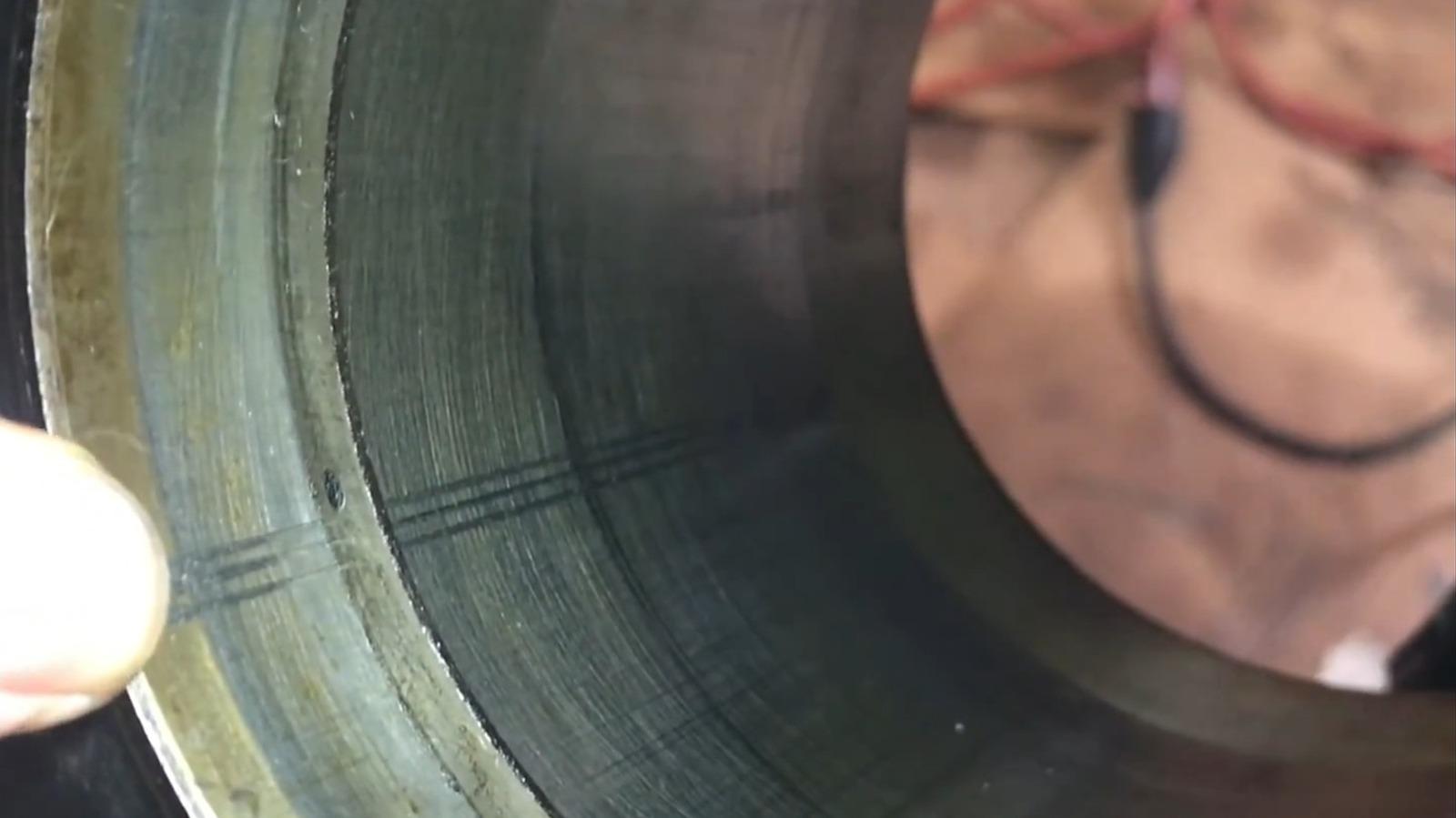
What Causes Cylinder Wall Scoring (And How To Prevent It) – Expert Guide
Image: What Causes Cylinder Wall Scoring (And How To Prevent It) – Expert Guide – Performance Comparison and Specifications
Advertisement
When your engine starts to sound rough or you notice a drop in fuel efficiency, the culprit is often cylinder wall scoring. It’s a silent menace that can turn a healthy powerplant into a costly repair shop visit. In this guide we’ll break down the most common causes, share real‑world anecdotes, and give you a step‑by‑step plan to keep those walls smooth and your engine humming.
Understanding Cylinder Wall Scoring
At its core, scoring is a form of abrasion on the metal surface of the cylinder bore. Think of it like the grooves you get on a well‑worn road – only it happens inside the engine where pistons, rings, and oil meet. Over time, those grooves can lead to loss of compression, increased oil consumption, and even catastrophic engine failure.
Advertisement
Why It Matters for Modern Engines
Whether you drive a turbo‑petrol Toyota GR Supra, a diesel‑powered Ford F‑250, or a hybrid Toyota Prius, the internal geometry of the cylinder is the same battle‑field. Newer engines with tighter tolerances and higher boost pressures are actually more vulnerable because there’s less room for error.
Top Causes of Cylinder Wall Scoring
Below is a quick snapshot of the most common culprits. Each one can be prevented with a little attention to detail.
| Cause | Typical Symptom | Prevention Tip |
|---|---|---|
| Insufficient lubrication | Metal‑to‑metal knock | Change oil on schedule; use the right viscosity |
| Foreign particles | Engine misfire | Replace oil filter regularly; use high‑quality filter |
| Over‑revving | Excessive heat | Respect redline; install rev limiter |
| Improper break‑in | Early wear | Follow manufacturer break‑in procedure |
| Low‑quality fuel | Detonation | Use fuel meeting OEM specs |
1. Inadequate Oil Film
The oil film is the first line of defense. If it thins out – due to low oil level, wrong viscosity, or a clogged filter – the piston rings start scraping directly against the steel or cast‑iron bore.
Advertisement
In my own 2019 BMW 340i, I once delayed an oil change by three months. The next service revealed faint scoring on the #3 cylinder. A quick bore inspection saved me from a full rebuild.
2. Contamination – Dust, Metal Shavings, and Combustion By‑Products
Every time you start the car, a tiny amount of dust sneaks in through the breather. Over thousands of miles that dust can become abrasive grit. Likewise, a failing turbocharger can shed metal particles that ride straight into the oil system.
Using a synthetic oil with strong dispersant additives helps keep those particles suspended, preventing them from settling on the cylinder wall.
Advertisement
3. Excessive Heat and Detonation
High compression ratios, aggressive timing, or low‑octane fuel can cause detonation – an uncontrolled explosion that throws shock waves against the cylinder walls. The repeated impact chips away at the surface, creating scoring.
Owners of performance‑tuned Ford Mustang GT often upgrade to higher‑octane pump gas to keep the knock sensor happy.
4. Improper Break‑In Procedures
New engines need a gentle “marathon” before they can sprint. During break‑in you should keep RPMs moderate and avoid full‑throttle lifts. Skipping this step can lead to uneven ring seating, which accelerates wear.
Advertisement
How to Prevent Cylinder Wall Scoring
Prevention is a blend of good habits, the right fluids, and occasional inspections. Below is a handy checklist you can paste on your garage wall.
| Action | Frequency | Why It Helps |
|---|---|---|
| Check oil level | Weekly | Ensures proper film thickness |
| Replace oil & filter | Every 7,500 mi (or 6 months) | Removes contaminants |
| Use manufacturer‑approved oil | Every change | Correct viscosity & additive package |
| Inspect spark plugs | Every 30,000 mi | Detect early detonation signs |
| Follow break‑in guide | First 1,000 mi | Allows rings to seat evenly |
Choosing the Right Oil
Most modern engines recommend a 5W‑30 synthetic with API SN or newer. For high‑performance turbo‑petrol models, a 10W‑60 may be prescribed to handle higher temperatures. Always reference the owner’s manual.
Maintaining Clean Air and Fuel
Replace the air filter at the interval suggested by the manufacturer – typically every 15,000 mi. A clogged filter forces the engine to pull more dust into the crankcase. Likewise, consider a fuel system cleaner every 30,000 mi if you drive a vehicle that sits idle for long periods.
Advertisement
Monitoring Engine Temperature
Install a high‑quality coolant temperature gauge if your car doesn’t already have one. Overheating not only warps the head but also expands the cylinder bore, reducing the oil film’s ability to protect the wall.
Technical Snapshot – Engine Design & Dimensions
Below is a quick reference for a typical 2.0 L turbo‑charged inline‑four that you might find in a Volkswagen Golf GTI or Honda Civic Type R. Understanding the geometry helps you appreciate why clearances matter.
| Parameter | Value | Units |
|---|---|---|
| Bore | 81.0 | mm |
| Stroke | 90.2 | mm |
| Compression Ratio | 10.5:1 | |
| Nominal Cylinder Wall Roughness (Ra) | 0.8 | µm |
| Maximum Operating Temp | 115 | °C |
Feature Comparison – Scoring Prevention Technologies
Manufacturers have introduced several tricks to keep the walls pristine. Compare the most common approaches below.
Advertisement
| Technology | Typical Application | Benefit |
|---|---|---|
| Aluminium‑Silicon Alloy Cylinder Walls | Modern inline‑four | Improved wear resistance |
| Ferritic‑Nitride Coating (e.g., Nikasil) | High‑performance V‑8 | Extreme hardness, low friction |
| Oil‑Spray Cooling | Turbo‑charged diesel | Reduces wall temperature |
| Laser‑Machined Cylinder Bores | Premium hybrids | Ultra‑smooth finish (Ra < 0.4 µm) |
Engine Specifications – Real‑World Example
Let’s look at the 2023 Mazda CX‑5 2.5 L Skyactiv‑G engine, a workhorse that balances efficiency with durability.
| Spec | Detail |
|---|---|
| Displacement | 2.5 L (2,497 cc) |
| Peak Power | 187 hp @ 6,000 rpm |
| Peak Torque | 186 lb‑ft @ 4,000 rpm |
| Oil Capacity | 5.4 L (5 qt) |
| Recommended Oil | 5W‑30 synthetic, API SN |
Price Comparison – Maintenance vs. Rebuild
Understanding the cost difference can motivate you to stay proactive.
| Service | Average Cost (US$) | Typical Frequency |
|---|---|---|
| Oil & Filter Change | 45–80 | Every 7,500 mi |
| Fuel System Cleaner | 30–50 | Every 30,000 mi |
| Engine Borescope Inspection | 120–200 | Every 50,000 mi |
| Full Engine Rebuild (scored walls) | 2,500–5,000 | As needed |
| Engine Replacement (used) | 3,000–6,500 | As needed |
Practical Tips From the Shop Floor
- Listen for ticking. A faint metallic tick that changes with RPM is often the first whisper of scoring.
- Check compression. A drop of more than 10% between cylinders usually points to wall wear or ring problems.
- Watch oil consumption. Burning more than a quart per 1,000 mi without a visible leak is a red flag.
- Keep a log. Note oil change dates, filter brand, and any unusual noises. Trends are easier to spot over time.
Conclusion
Cylinder wall scoring may sound like a niche concern, but its impact ripples through fuel economy, power delivery, and long‑term reliability. By staying on top of oil quality, filtration, temperature, and proper break‑in, you give your engine the best chance to stay smooth for the miles ahead. Remember, a little preventive maintenance today saves thousands in engine rebuild tomorrow.
Advertisement
Frequently Asked Questions
- What does a “scored cylinder wall” look like?
- Under a borescope you’ll see fine cross‑hatch marks or deeper grooves along the bore surface, often darker than surrounding metal.
- Can I repair scoring without a full rebuild?
- Minor scoring can be honed and the surface re‑plated (e.g., with Nikasil). Severe scoring usually requires a full bore and new pistons.
- Is synthetic oil really necessary?
- Synthetic oils maintain viscosity better at extreme temperatures and contain superior detergents, both of which help prevent scoring.
- How often should I replace the oil filter?
- Follow the manufacturer’s interval—typically every oil change. In dusty environments, consider changing it every 5,000 mi.
- Does using high‑octane fuel prevent scoring?
- It reduces the chance of detonation, which is a common cause of high‑temperature scoring, especially in turbo‑charged engines.
- Can a malfunctioning turbo cause scoring?
- Yes. A failing turbo can dump metal particles into the oil, and excess boost can raise cylinder temperature.
- What’s the best way to check oil level?
- Park on level ground, let the engine cool, pull the dipstick, wipe, re‑insert, and read the level at the tip.
- Should I use a higher viscosity oil in hot climates?
- Sometimes. In extreme heat, a 10W‑40 may protect better, but always verify with the vehicle’s service manual.
- Is a cylinder wall scoring issue covered under warranty?
- Usually not, unless it’s a manufacturing defect. Normal wear is considered owner responsibility.
- Where can I get a professional borescope inspection?
- Most reputable independent garages and dealership service centers offer this service. Prices range from $120 to $200.
For more in‑depth technical details, visit Engine Builder Magazine.