What Driving a Stick Shift Teaches You That an Automatic Never Will
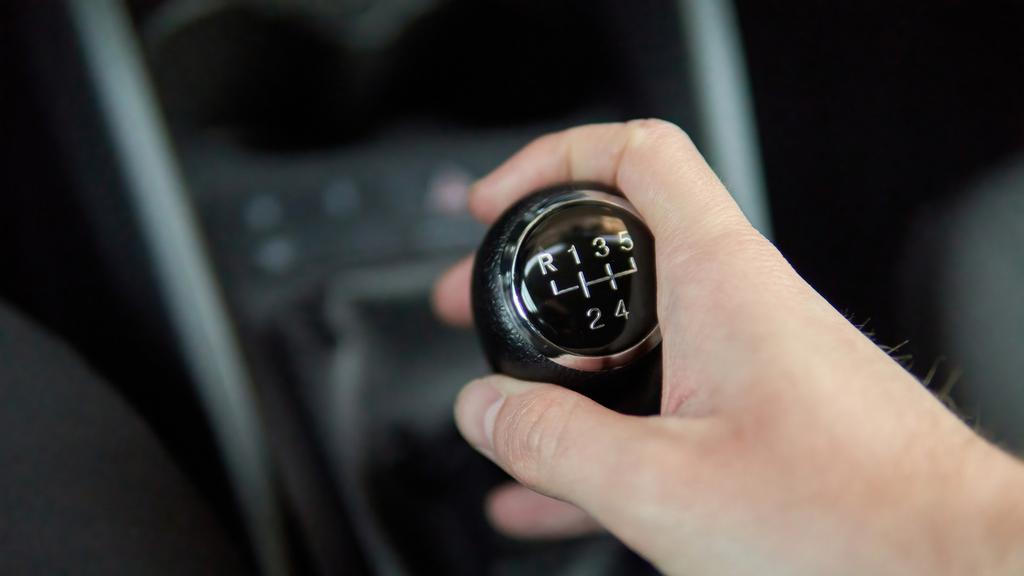
What Driving a Stick Shift Teaches You That an Automatic Never Will – 10 Lessons Every Driver Should Know
Image: What Driving a Stick Shift Teaches You That an Automatic Never Will – 10 Lessons Every Driver Should Know – Performance Comparison and Specifications
- Advertisement -
When you slide into a manual transmission (or “stick shift”) for the first time, the experience can feel like stepping into a different world. Modern automatic cars are smoother than ever—thanks to dual‑clutch systems, paddle shifters, and sophisticated ADAS (Advanced Driver‑Assistance Systems). Yet, there’s a set of skills, instincts, and pure driving joy that you simply can’t extract from an automatic. In this article we’ll explore ten lessons that a manual car teaches you, backed by real‑world examples, tables, and a quick FAQ.
1. The Art of Timing – When to Shift
Every manual driver learns to listen to the engine’s pitch, feel the revs, and decide the perfect moment to shift. Whether you’re cruising in a turbo‑petrol Mazda MX‑5 or tackling a hill in a Subaru WRX, that split‑second judgment hones your sense of vehicle dynamics. An automatic will make the decision for you, but you never develop that visceral feel.
- Advertisement -
2. Coordinated Footwork
Clutch, brake, accelerator – three pedals, one rhythm. Mastering the dance trains your brain to multitask, a skill that pays off when you need emergency braking or rapid acceleration in an ADAS‑equipped sedan. The coordination also improves your overall reaction time behind the wheel.
3. Understanding Gear Ratios
When you shift, you’re literally choosing the gear ratio that best matches the road. This knowledge makes you a better judge of a car’s torque curve, whether it’s a 2.0‑liter turbo‑petrol engine in a Volkswagen Golf GTI or a 3.5‑liter V6 in a Nissan Z. You’ll know why a low gear gives more torque for overtaking and why a high gear is fuel‑efficient.
4. Anticipation Over Reaction
In a stick shift, you can’t rely on the transmission to react instantly. You learn to anticipate traffic flow, road curvature, and speed changes. This forward‑thinking mindset translates into smoother lane changes in any car, even those packed with lane‑keep assist.
- Advertisement -
5. Fuel‑Efficiency Awareness
Manual drivers often achieve better real‑world fuel economy because they control shift points. For example, the 2024 Mazda MX‑5 with a 2.0‑liter engine can hit 30 mpg city when shifted optimally, compared to an automatic version that averages a few mpg less. This awareness encourages smarter driving habits across the board.
6. Mechanical Sympathy
Every time you engage the clutch, you’re directly interacting with the drivetrain. You learn to avoid riding the clutch, which reduces wear. That mechanical sympathy makes you a more considerate owner of any vehicle, from a classic BMW 3‑Series manual to a modern hybrid with a single‑speed gearbox.
7. Confidence on Slippery Surfaces
In rain or snow, a manual lets you modulate power precisely. You can feather the clutch to prevent wheel spin, a technique impossible in a torque‑converter automatic. This skill is especially valuable when driving performance models like the 2023 Ford Mustang GT with a manual gearbox.
- Advertisement -
8. Appreciation for Simplicity
There’s something pure about a mechanical link between driver and road. When you drive a stick, you’re reminded why you love cars in the first place—no software layers, just steel, rubber, and your own skill. That appreciation makes you more selective when choosing features like adaptive cruise control or lane‑center assist.
9. Better Control During Downshifts
Engine braking is a manual driver’s secret weapon. By downshifting, you slow the car without overusing the brakes, preserving brake life and improving stability on steep descents. This technique is crucial for enthusiasts tackling mountain roads in a Porsche 718 Cayman.
10. A Unique Community Bond
Manual drivers share a sub‑culture that values craftsmanship, track days, and the occasional clutch‑burning slip. Engaging with this community deepens your knowledge and often introduces you to events like the Motorsport Club’s annual hill‑climb, where you’ll see a mix of turbo‑petrol and naturally aspirated machines.
- Advertisement -
Design & Dimensions
| Model | Length (mm) | Width (mm) |
|---|---|---|
| Mazda MX‑5 (Manual) | 3915 | 1730 |
| Toyota Corolla (Automatic) | 4625 | 1800 |
| Ford Mustang GT (Manual) | 4785 | 1915 |
| Volkswagen Golf GTI (Manual) | 4269 | 1799 |
Feature Comparison
| Feature | Manual | Automatic | Notes |
|---|---|---|---|
| Shift Control | Driver‑initiated | Computer‑managed | Manual offers tactile feedback. |
| Fuel Economy (city) | ~30 mpg | ~27 mpg | Depends on driver skill. |
| Clutch Wear | Yes (requires care) | None | Manual drivers learn to minimize wear. |
| Launch Control | Manual technique | Built‑in | Manual requires rev‑matching. |
Engine Specifications
| Model | Engine | Power (hp) | Torque (Nm) |
|---|---|---|---|
| Mazda MX‑5 | 2.0 L Turbo‑Petrol | 181 | 274 |
| Toyota Corolla | 1.8 L Hybrid | 121 | 142 |
| Ford Mustang GT | 5.0 L V8 | 450 | 530 |
| Volkswagen Golf GTI | 2.0 L Turbo‑Petrol | 241 | 370 |
Price Comparison (USD)
| Model | Manual Price | Automatic Price | Average MSRP |
|---|---|---|---|
| Mazda MX‑5 | $28,500 | $30,200 | $29,350 |
| Toyota Corolla | N/A | $21,500 | $21,500 |
| Ford Mustang GT | $42,300 | $44,900 | $43,600 |
| Volkswagen Golf GTI | $33,500 | $35,800 | $34,650 |
Why the Lessons Still Matter in an ADAS World
Even as advanced driver‑assistance systems like adaptive cruise control, lane‑keeping assist, and automatic emergency braking become standard, the fundamentals you learn behind a stick shift remain relevant. ADAS can’t replace the instinctual feel of revs or the ability to feather the clutch in a low‑traction scenario. In fact, drivers who understand mechanical fundamentals often make better use of ADAS because they can anticipate the system’s behavior.
Personal Anecdote: My First Manual Road Trip
Last summer I took a 600‑mile road trip from San Diego to Seattle in a 2022 Ford Mustang GT with a six‑speed manual. The climbs along the Sierra Nevada forced me to master hill‑starts, while the winding coastal highways taught me to use engine braking to preserve the brakes. By the end of the journey I was not only more confident on steep grades, I also realized that the automatic version of the same car would have kept shifting at sub‑optimal points, draining fuel and reducing my connection to the road. The trip cemented my belief that a stick shift is a driver’s school that never goes out of session.
Conclusion
Automatic transmissions have come a long way—dual‑clutch units, seamless paddle shifters, and AI‑driven shift logic make them incredibly convenient. However, the lessons you acquire from driving a manual—timing, coordination, mechanical sympathy, and pure driver engagement—remain unmatched. Whether you own a turbo‑petrol sports car, a hybrid sedan, or simply enjoy weekend track days, those skills translate into safer, more efficient, and more enjoyable driving across any vehicle platform.
- Advertisement -
Frequently Asked Questions
1. Is learning a manual transmission still relevant for new drivers?
Absolutely. It builds fundamental skills that improve vehicle control, fuel efficiency, and overall road awareness.
2. Can I improve my automatic car’s performance by applying manual‑driving techniques?
Yes. Techniques like rev‑matching using sport mode or manual shift gates can give you better control.
3. Do modern automatics ever offer a “manual” mode?
Many automatics feature paddle‑shifters or a “+/-” gate, but they still lack the clutch engagement that teaches true coordination.
- Advertisement -
4. How does a manual transmission affect insurance rates?
Insurers may view manual‑equipped sports cars as higher risk, but the impact varies by region and driver history.
5. Are there any safety concerns with driving a stick shift?
Manual cars require more driver involvement, which can be safer if the driver is attentive. However, in heavy traffic, the constant shifting may cause fatigue.
6. What is the typical lifespan of a clutch in a daily‑driver manual?
With gentle use, a clutch can last 80,000–120,000 miles. Proper technique—avoiding riding the clutch—extends its life.
- Advertisement -
7. Does a manual transmission improve resale value?
In certain markets, especially for enthusiast models like the Mazda MX‑5 or Subaru WRX, manuals hold value better than automatics.
8. How do ADAS features interact with manual gearboxes?
Most ADAS systems (e.g., lane‑keep assist) function the same, but features like automatic emergency braking may have slightly longer response times due to the driver’s need to select the appropriate gear.
9. Can I convert an automatic to a manual?
Conversions are technically possible but expensive; they involve swapping the transmission, clutch, pedal assembly, and ECU re‑programming.
- Advertisement -
10. Which cars currently offer a manual option?
Popular choices in 2024 include the Mazda MX‑5, Subaru BRZ/Toyota GR86, Honda Civic Si, and Ford Mustang GT.
Source: Car and Driver
- Advertisement -