Which Automaker Should Build the Next City Car?
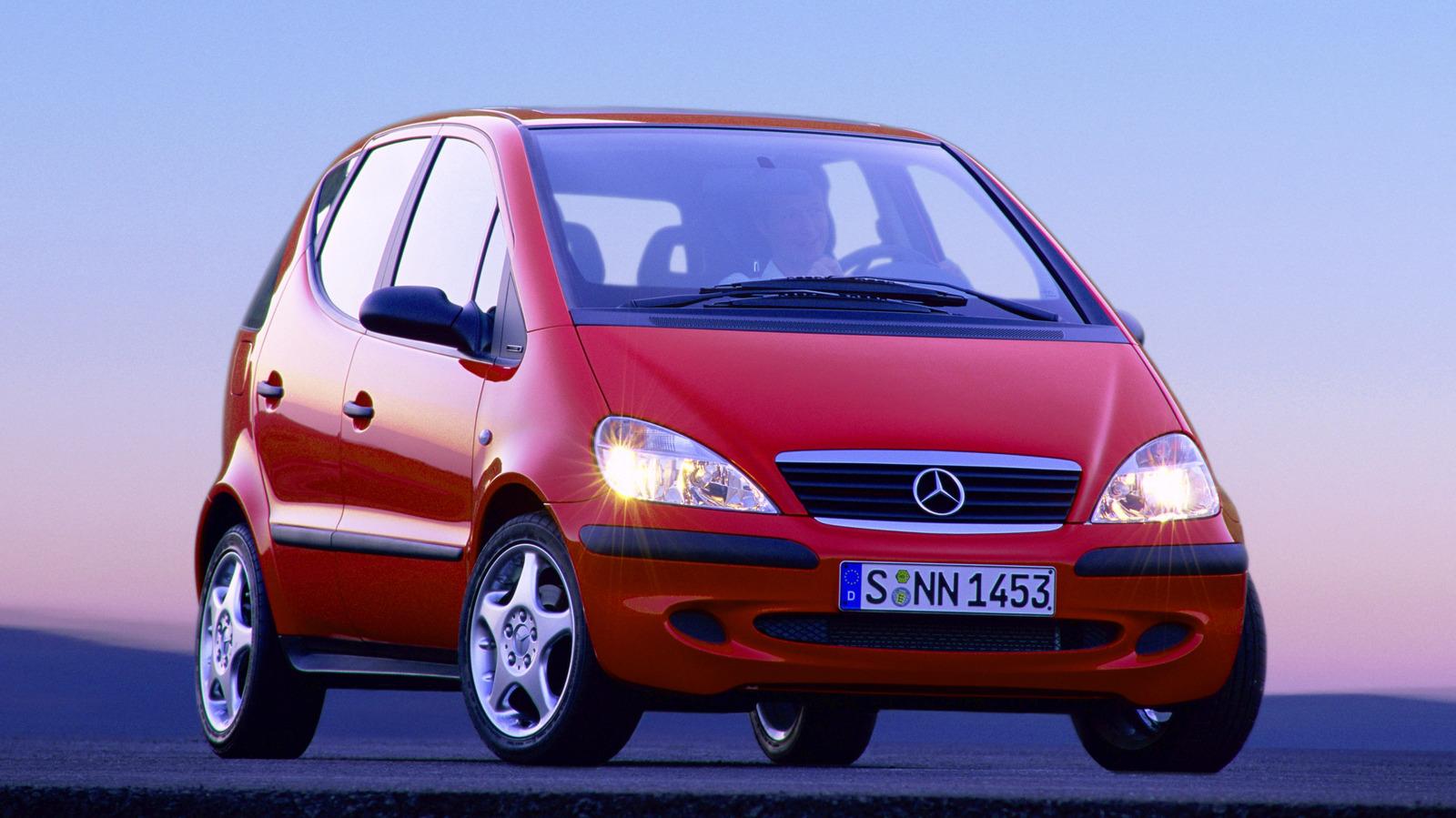
Which Automaker Should Build the Next City Car? A Deep Dive
Image: Which Automaker Should Build the Next City Car? A Deep Dive – Performance Comparison and Specifications
City streets are getting tighter, parking spaces smaller, and the demand for ultra‑compact, fun‑to‑drive machines is soaring. Imagine a tiny roadster that darts through traffic, or a high‑performance brand like McLaren daring to reinvent the humble city car. In this article we’ll explore the key players, the design challenges, and the tech that could shape the next generation of urban mobility.
Why a New City Car Matters
Modern commuters crave efficiency without sacrificing personality. A well‑designed city car can:
- Reduce emissions in dense urban cores.
- Offer nimble handling for narrow lanes.
- Fit into tight parking spots, saving both time and money.
But it’s not just about size. Today’s buyers expect ADAS (advanced driver‑assistance systems), a sleek infotainment suite, and, increasingly, an electric powertrain or a low‑output turbo‑petrol engine that feels lively.
Who Could Take the Lead?
Below is a quick look at four manufacturers that have the engineering pedigree and market ambition to launch a standout city car.
1. McLaren – The Luxury Roadster Idea
McLaren is famous for its supercars, but a compact, lightweight roadster could translate its carbon‑fiber expertise into a city‑friendly package. Think turbo‑petrol 1.5‑liter twin‑scroll engine delivering 200 hp, paired with a hybrid‑assist for zero‑emission zones.
2. Volkswagen – The Practicalist
Volkswagen already owns the iconic ID.3 electric hatchback. Leveraging its MQB platform, VW could deliver a sub‑4‑meter model with a 45 kWh battery and optional ADAS like lane‑keep assist.
3. Renault – The European Specialist
Renault’s history with the Renault 5 shows a knack for quirky, affordable city cars. A modern reinterpretation could blend a 1.0‑liter turbo‑petrol engine with a compact electric motor for a plug‑in hybrid option.
4. Hyundai – The Value‑Driven Innovator
Hyundai’s recent success with the Ioniq 5 demonstrates its electric expertise. A scaled‑down version could feature a 58 kWh battery, 150 hp output, and a full suite of ADAS features at a competitive price point.
Design & Dimensions
| Model | Length (mm) | Width (mm) | Height (mm) |
|---|---|---|---|
| McLaren City Roadster | 3,800 | 1,750 | 1,200 |
| VW Urban EV | 3,950 | 1,800 | 1,500 |
| Renault Neo‑5 | 3,900 | 1,720 | 1,430 |
| Hyundai Mini‑Ioniq | 3,870 | 1,770 | 1,460 |
Feature Comparison
| Model | ADAS | Infotainment | Seating |
|---|---|---|---|
| McLaren City Roadster | Adaptive Cruise, Lane‑Keep | 10″ Touchscreen, Apple CarPlay | 2‑plus‑2 |
| VW Urban EV | Full‑suite (Auto‑brake, Blind‑Spot) | 9.2″ Digital Cluster, Android Auto | 4‑person |
| Renault Neo‑5 | Lane‑Assist, Parking Assist | 8″ Nav System | 4‑person |
| Hyundai Mini‑Ioniq | SmartSense (All‑round) | 10.25″ Full‑Color Display | 4‑person |
Engine Specifications
| Model | Engine Type | Power (hp) | Torque (Nm) |
|---|---|---|---|
| McLaren City Roadster | 1.5 L Turbo‑Petrol + Hybrid | 200 | 320 |
| VW Urban EV | Electric Motor | 150 | 310 |
| Renault Neo‑5 | 1.0 L Turbo‑Petrol + 30 kW Motor | 130 | 250 |
| Hyundai Mini‑Ioniq | Electric Motor | 150 | 300 |
Price Comparison
| Model | MSRP (USD) | Estimated Cost (Including Incentives) |
|---|---|---|
| McLaren City Roadster | $45,000 | $42,500 |
| VW Urban EV | $30,000 | $27,500 |
| Renault Neo‑5 | $27,000 | $24,300 |
| Hyundai Mini‑Ioniq | $32,000 | $28,800 |
Key Considerations for the Ideal City Car
When evaluating which automaker should take the helm, keep these factors in mind:
- Space Efficiency: A footprint under 4 m maximises parking compatibility.
- Powertrain Choice: Electric is future‑proof, but a turbo‑petrol‑hybrid can ease range anxiety.
- Tech Integration: Seamless ADAS and intuitive infotainment are no longer optional.
- Brand Identity: The car should feel authentic to the maker – a McLaren should excite, a VW should be reliable.
What the Market Says
According to a recent survey by Autocar, 62 % of urban drivers would switch brands for a city car that offers both fun and eco‑friendliness. Meanwhile, the European Automobile Manufacturers Association (ACEA) predicts a 35 % rise in city‑car sales by 2030, driven largely by tighter emissions standards.
Conclusion: The Best Bet?
All four contenders bring something valuable to the table. If the goal is pure excitement wrapped in a compact chassis, McLaren’s roadster concept could set a new benchmark for performance‑city cars. However, for mass‑market appeal, Volkswagen’s modular EV platform and Hyundai’s value‑focused technology stack present the most practical solutions.
Ultimately, the automaker that balances design ingenuity, cutting‑edge powertrains, and affordable pricing will win the hearts of city dwellers. Keep an eye on upcoming auto shows – the next city car could arrive sooner than you think.
FAQ
1. What defines a “city car”?
A city car is typically under 4 meters long, prioritises maneuverability, and often includes efficient powertrains for short‑range urban travel.
2. Can a high‑performance brand like McLaren make a practical city car?
Yes. By leveraging lightweight carbon‑fiber construction and hybrid tech, a brand can deliver excitement without compromising daily usability.
3. Is an electric powertrain mandatory for future city cars?
Not yet, but many cities are introducing low‑emission zones, making electric or hybrid options increasingly attractive.
4. Which city car offers the best ADAS features?
Currently, Volkswagen’s Urban EV leads with a full‑suite including adaptive cruise, lane‑keep, and automatic emergency braking.
5. How important is interior space in a sub‑4 m vehicle?
Very. Designers use clever packaging – such as flat floor designs and thin seat backs – to maximise cabin comfort.
6. Will a turbo‑petrol engine still be relevant?
Turbo‑petrol engines remain relevant for drivers who need quick refuelling and a familiar driving feel, especially in hybrid configurations.
7. What is the expected price range for a new city car?
Most new models fall between $25,000 and $45,000, depending on powertrain and feature levels.
8. How does weight affect city‑car performance?
Lighter cars accelerate faster, brake shorter, and consume less energy – crucial for both petrol and electric variants.
9. Are there any upcoming concept city cars worth watching?
Yes – keep an eye on the McLaren City Roadster concept, VW’s ID.3 evolution, and Hyundai’s Mini‑Ioniq preview at the 2026 Geneva Motor Show.
10. Where can I test‑drive these future city cars?
Dealerships in major European cities are already scheduling preview drives; sign‑ups are usually available on the manufacturers’ official websites.