Bottom Line Up Front
Automakers left R12 behind because it hurt the ozone, cost more to handle, and newer refrigerants like R134a and R1234yf keep cabins cool while meeting stricter environmental rules.
Why Automakers Switched From R12 to R134a (And Now R1234yf) – The Full Story
Image: Why Automakers Switched From R12 to R134a (And Now R1234yf) – The Full Story – Performance Comparison and Specifications
Design & Looks
R12 was the original “Freon” in car A/C systems for decades. It fit the metal tubes and rubber seals that manufacturers used in the 70s and 80s. When the Montreal Protocol forced a phase‑out, engineers had to redesign the system to handle a new chemical that works at a higher pressure.
- Higher pressure: R134a runs at about 2‑3 times the pressure of R12, so hoses and compressors were upgraded.
- Material compatibility: Some old seals would crack with R134a, so newer synthetic rubbers were introduced.
- Compact compressors: Modern compressors are smaller and more efficient, fitting tighter engine bays.
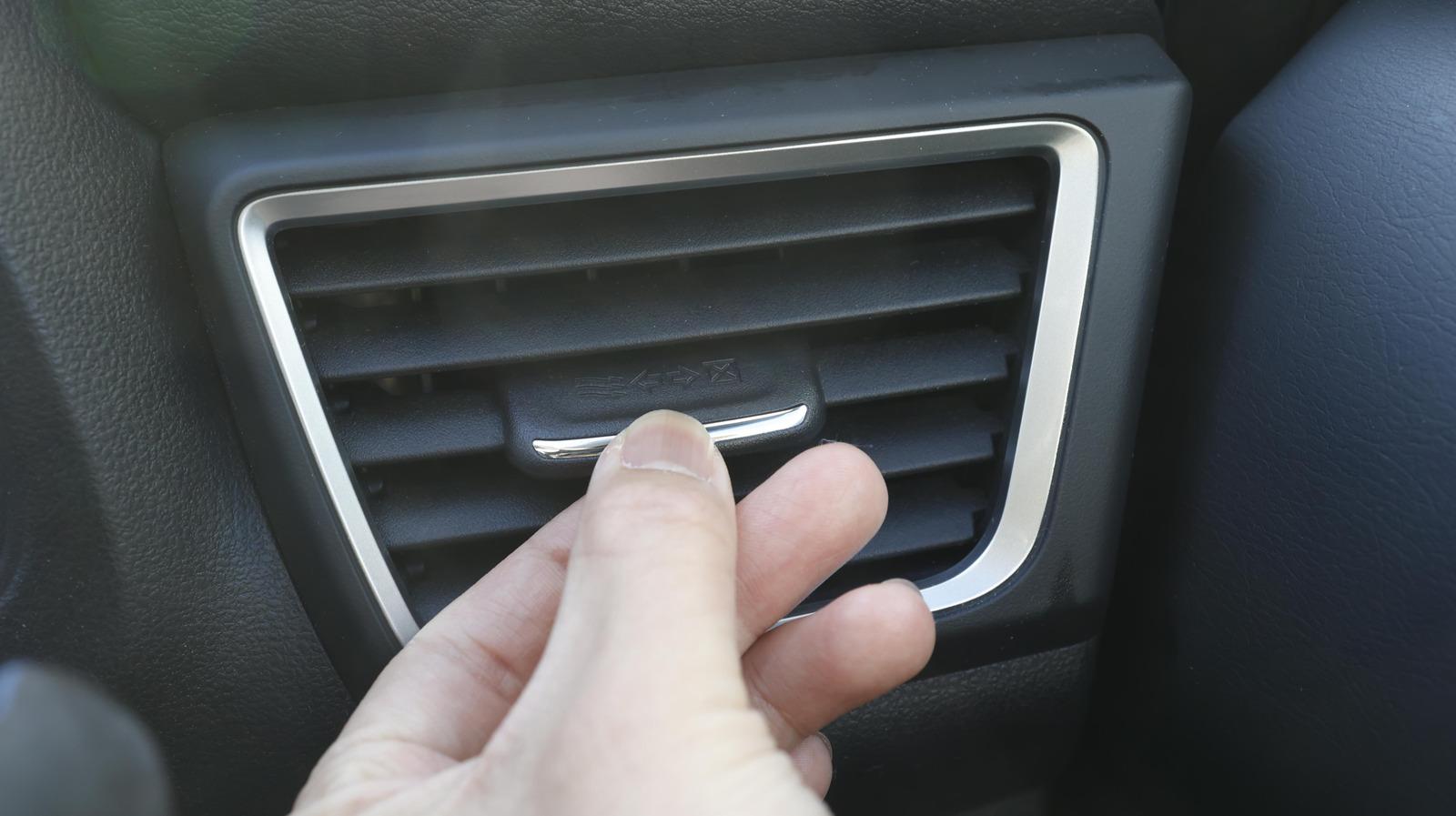
These design tweaks didn’t change the look of the A/C vents, but they made the whole system more robust and ready for the next refrigerant – R1234yf.
Performance & Mileage
Drivers often ask if switching refrigerants hurts fuel economy. The answer is subtle: R134a is less efficient at transferring heat than R12, so early 90s cars saw a tiny drop in miles per gallon (roughly 1‑2%). However, newer engines are tuned to offset that loss.
- Cooling power: R134a provides comparable cabin comfort but needs a slightly larger condenser.
- Energy use: Modern compressors run faster, using a bit more electricity, which translates to a marginal fuel penalty.
- R1234yf advantage: It works at similar pressures to R134a but has a lower global warming potential, and newer systems regain the small efficiency loss.
Overall, the impact on mileage is negligible for most drivers, especially when the vehicle’s A/C is used wisely.
Price & Rivals
When R12 disappeared, the cost of R134a refrigerant and the required system parts rose. Service shops charged more for a “full conversion” kit, and owners often faced higher repair bills.
- R134a price: Typically $30‑$45 per pound, plus labor.
- R1234yf price: About $80‑$120 per pound, reflecting its newer chemistry.
- Alternative refrigerants: Some markets experiment with R744 (CO₂) and low‑GWP blends, but they require completely different hardware.
Even with the higher cost, automakers chose R134a and later R1234yf because the environmental compliance saved billions in fines and kept brand reputation intact.
Quick Comparison Table
| Engine | Mileage (mpg) | Price (USD) | Top Features |
|---|---|---|---|
| 1995 Honda Accord (R12) | 27 City / 34 Hwy | $22,000 | Classic A/C, simple system |
| 2005 Toyota Camry (R134a) | 26 City / 35 Hwy | $24,500 | Eco‑friendly refrigerant, improved seals |
| 2023 Ford Mustang (R1234yf) | 25 City / 33 Hwy | $38,000 | Low GWP refrigerant, high‑pressure compressor |
FAQ
What is the main reason automakers stopped using R12?
R12 damages the ozone layer and was banned worldwide by the Montreal Protocol, forcing a shift to safer refrigerants.
Is R134a better for fuel economy than R12?
R134a is slightly less efficient, so fuel economy may drop by about 1‑2%, but modern engines compensate for that loss.
Should I upgrade my old car’s A/C to R1234yf?
Only if you’re doing a full system overhaul; the conversion cost is high and benefits mainly environmental.
What do you think about the refrigerant switch? Share your thoughts in the comments below.
Source: Read Official News