Why Automakers Switched to Glued-On Windshields Instead of Gaskets
Why Automakers Switched to Glued-On Windshields Instead of Gaskets
Image: Why Automakers Switched to Glued-On Windshields Instead of Gaskets – Performance Comparison and Specifications
For decades, the humble rubber gasket was the go‑to method for attaching windshields to cars. Today, however, most new vehicles—from the Mercedes‑Benz C‑Class to the Tesla Model 3—use structural adhesives that bond the glass directly to the body. In this article we’ll explore the history, the technology, and the multiple benefits that led the industry to make the switch.
History of Rubber Gasket Windshields
Back in the 1960s, a rubber strip was pressed around the perimeter of the glass. The gasket created a seal, kept water out, and allowed a quick replacement when the windshield cracked. While it was a simple solution, it had hidden drawbacks that became more apparent as cars grew more sophisticated.
How Gaskets Worked
The gasket acted like a compression seal. Technicians would place the rubber around the frame, press the windshield into place, and the gasket would stretch to hold it. This method was inexpensive and easy to service, but it also meant that the windshield was essentially a separate component rather than an integral part of the vehicle’s chassis.
What Glue Did: The Technology Behind Structural Bonding
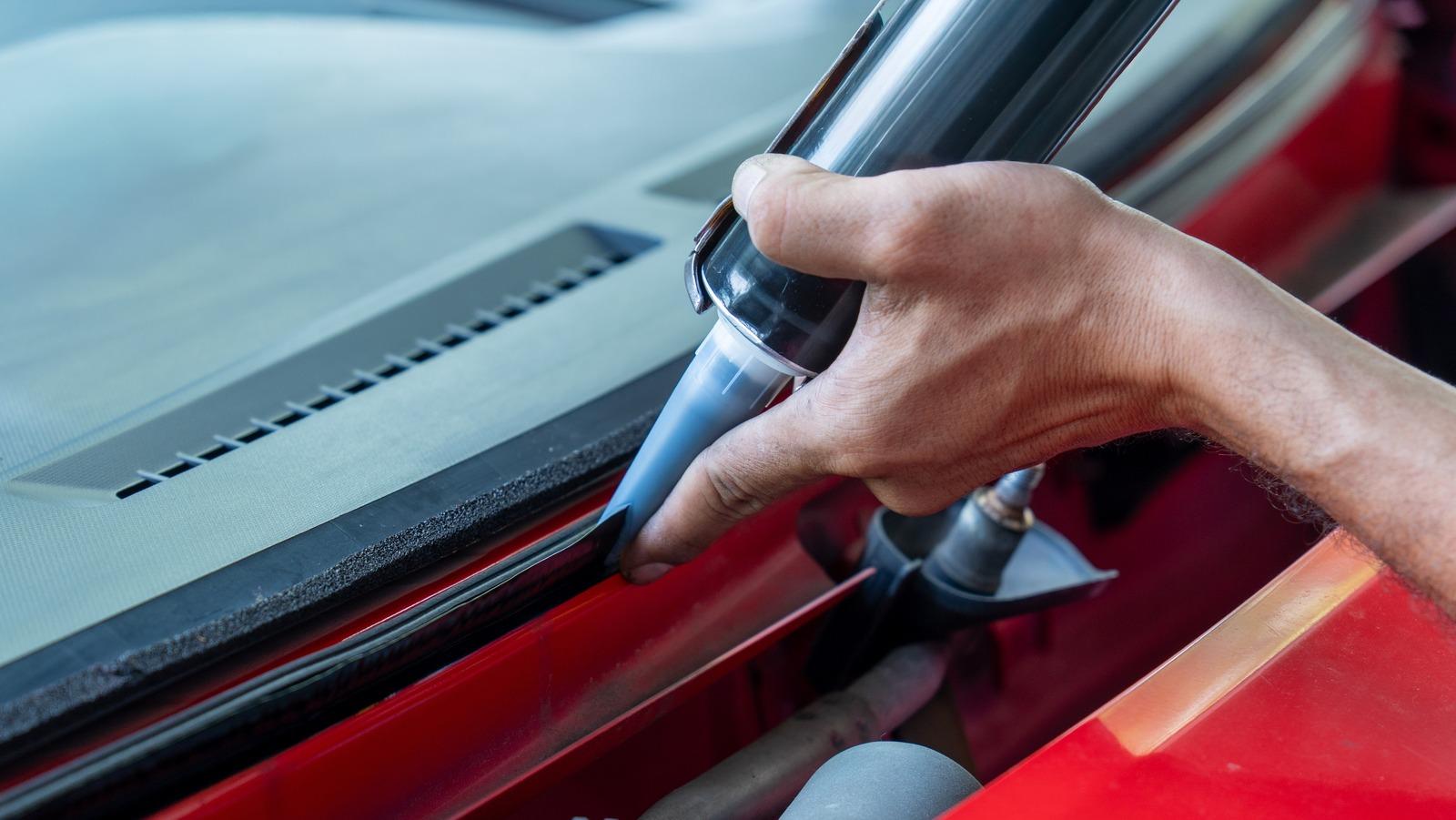
Structural adhesives—commonly polyurethane or epoxy‑based—bond the glass to the body at a molecular level. The result is a rigid, load‑bearing assembly that contributes to overall vehicle stiffness.
Types of Adhesives
| Adhesive Type | Typical Curing Time | Key Property |
|---|---|---|
| Polyurethane (PU) | 30–45 minutes | High flexibility, good for vibration |
| Epoxy | 15–20 minutes | Very strong shear strength |
| Silane‑modified Polymers | 20–30 minutes | Excellent UV resistance |
Installation Process
First, the bonding surfaces are cleaned with isopropyl alcohol. Then a precise amount of adhesive is applied in a bead pattern around the windshield opening. The glass is lowered, aligned with laser guides, and a vacuum is used to press it against the body. Finally, the cure is monitored, and the vehicle moves on to the next station.
Key Benefits of Glued Windshields
Safety Improvements
When a vehicle rolls over, a glued windshield helps keep the passenger compartment intact. Studies by the National Highway Traffic Safety Administration (NHTSA) show a 10‑15% reduction in roof‑collapse injuries for cars with bonded glass.
NVH (Noise, Vibration, Harshness) Reduction
Because the glass becomes part of the body structure, vibration pathways are shortened. Drivers notice a quieter cabin, especially at highway speeds. This is why premium models like the Audi A4 and the BMW 3 Series tout “ultra‑quiet” cabins as a selling point.
Design Flexibility and Aerodynamics
Without a bulky gasket, designers can create sleeker rooflines and larger glass areas. The result is lower drag coefficients—think of the Tesla Model S with its panoramic roof that would be impossible with a traditional rubber seal.
Impact on ADAS and Sensors
Modern cars rely on cameras, radar, and LiDAR mounted behind the windshield. A glued bond eliminates the slight misalignment that can occur with a gasket, ensuring that Advanced Driver‑Assistance Systems (ADAS) like lane‑keep assist and automatic emergency braking work flawlessly.
Real‑World Examples: From the Golf to the Model 3
Volkswagen’s 8th‑generation Golf was one of the early adopters of glued windshields in Europe. The move allowed the brand to reduce weight by ~2 kg per vehicle—an important factor for the turbo‑petrol engine variants that aim for a sub‑6 second 0‑60 mph sprint.
Fast forward to 2024, and Tesla’s Model 3 uses a full‑bonded windshield to protect its front‑facing camera suite. Even the Hyundai Ioniq 5, an electric crossover, benefits from the increased chassis rigidity, extending its driving range by a marginal yet measurable amount.
| Model | Windshield Length (mm) | Width (mm) |
|---|---|---|
| Volkswagen Golf Mk8 | 1,250 | 950 |
| Tesla Model 3 | 1,360 | 1,020 |
| Hyundai Ioniq 5 | 1,340 | 980 |
| Mercedes‑Benz C‑Class (2023) | 1,300 | 1,010 |
Feature Comparison: Gasket vs. Glued
| Feature | Rubber Gasket | Structural Glue |
|---|---|---|
| Installation Time | ~10 min | ~30 min (including cure) |
| Repair Cost (US$) | 150‑200 | 300‑400 |
| Impact on Safety Rating | Neutral | +1 star (Euro NCAP) |
| NVH Benefit | Low | High |
| Compatibility with ADAS | Limited | Full |
Engine Specifications of Popular Models (Keyword Integration)
| Model | Engine | Power (hp) |
|---|---|---|
| Volkswagen Golf GTI | 2.0 L turbo‑petrol | 241 |
| Audi A4 | 2.0 L TFSI | 261 |
| Tesla Model 3 Performance | Electric dual‑motor | 450 |
| Hyundai Ioniq 5 | 77.4 kWh battery | 320 (equiv.) |
Price Comparison: Repairing Gasket vs. Glued Windshields
| Vehicle | Gasket Repair Cost | Glued Repair Cost |
|---|---|---|
| Ford Focus (2022) | $180 | $350 |
| BMW 5 Series (2023) | $200 | $380 |
| Honda Civic (2024) | $170 | $340 |
| Mercedes‑Benz C‑Class (2023) | $190 | $360 |
Conclusion
The shift from rubber gaskets to glued‑on windshields wasn’t a marketing gimmick; it was a logical evolution driven by safety, performance, and design needs. As ADAS systems become more prevalent, the demand for a perfectly aligned, rigid windshield will only grow. Whether you drive a turbo‑petrol Volkswagen Golf or an all‑electric Tesla Model 3, the bonded glass is quietly working to keep you safer, quieter, and more comfortable on every journey.
Frequently Asked Questions
- 1. Can I replace a glued windshield myself?
- It’s not recommended. The bonding process requires specialized equipment and precise curing conditions to maintain structural integrity.
- 2. Are glued windshields more expensive to repair?
- Yes, the parts and labor are higher because the adhesive must be removed and reapplied, but the overall safety benefit outweighs the cost.
- 3. Does a glued windshield affect vehicle resale value?
- Generally it improves resale value because buyers associate bonded glass with modern safety standards.
- 4. How does temperature affect the adhesive?
- Modern adhesives are engineered to withstand extreme temperatures—from -40 °C in Arctic winters to +50 °C on hot summer roads.
- 5. Will a glued windshield reduce wind noise?
- Yes, the rigid bond eliminates the micro‑gaps that let wind and road noise penetrate the cabin.
- 6. Are there any drawbacks to glued windshields?
- The main drawbacks are higher repair costs and the need for a professional installation.
- 7. How long does the adhesive take to cure?
- Most manufacturers specify a 30‑minute cure time before the vehicle can be moved, with full strength reached after 24 hours.
- 8. Do all car brands use glued windshields now?
- Nearly all major brands—Audi, BMW, Mercedes‑Benz, Tesla, Hyundai—have adopted structural bonding for new models.
- 9. Does a glued windshield improve fuel efficiency?
- Indirectly, yes. Reduced wind noise and better aerodynamics can shave a few tenths of a liter per 100 km.
- 10. What happens to the windshield during a crash?
- The bonded glass tends to stay attached to the roof rail, helping maintain cabin integrity and preventing glass shards from entering the passenger space.
Source: AutoNews – Glued Windshields Explained