Why BMW’s Quad‑Turbo Diesel Was Too Complex (and Too Expensive) to Survive
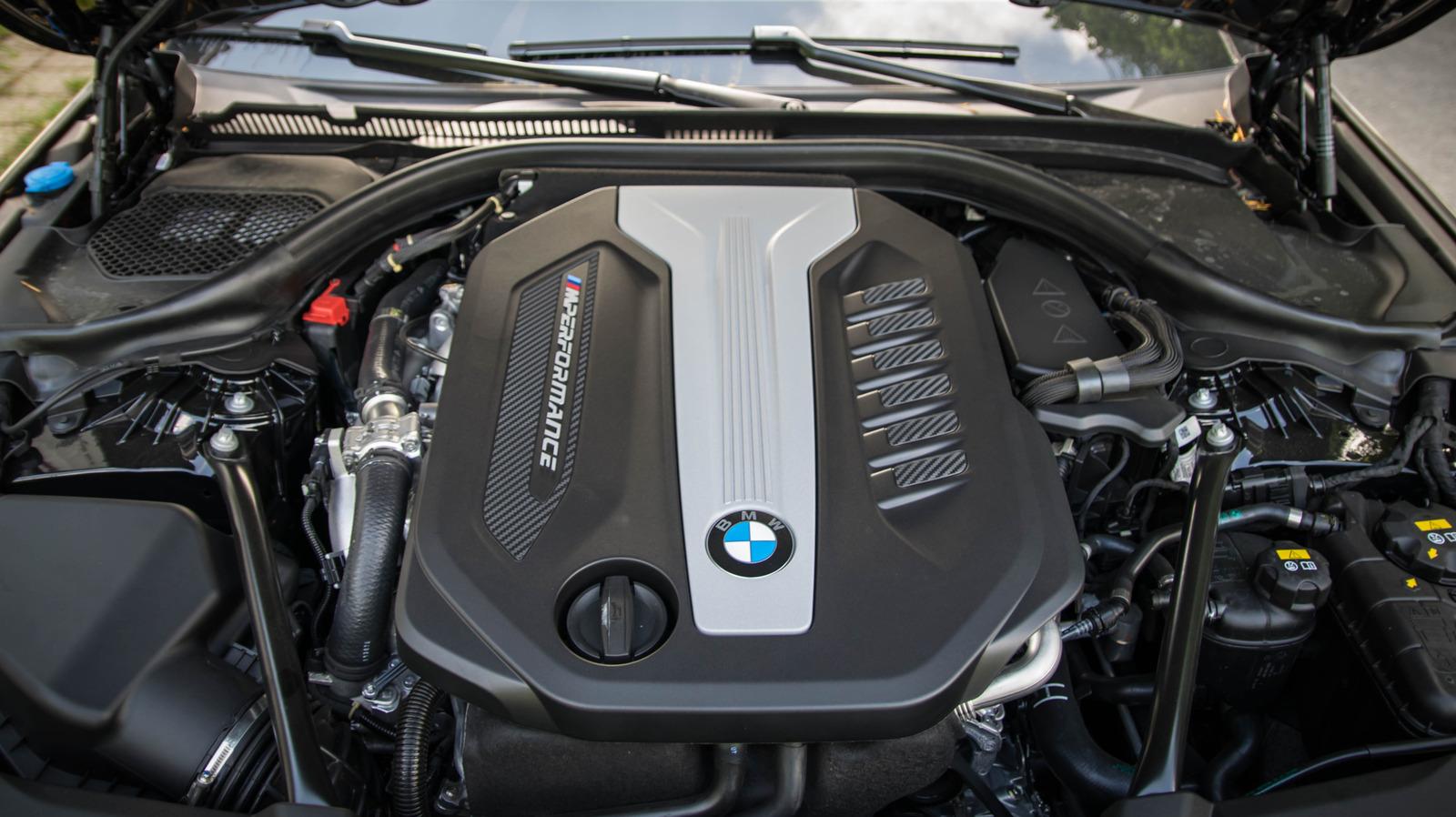
Why BMW’s Quad‑Turbo Diesel Was Too Complex (and Too Expensive) to Survive
Image: Why BMW’s Quad‑Turbo Diesel Was Too Complex (and Too Expensive) to Survive – Performance Comparison and Specifications
When BMW announced its ambitious quad‑turbo diesel in 2016, enthusiasts imagined a diesel that could finally challenge the torque of a V8 while sipping fuel like a hybrid. The reality, however, proved that too many turbos and too much engineering cost can kill a project before it truly hits the road.
The Dream Behind the Quad‑Turbo Diesel
BMW’s vision was simple: combine the efficiency of diesel with the performance of multiple turbochargers to deliver a powerplant that could rival the turbo‑petrol engines of the 7 Series and the new X5. The result was the B57 quad‑turbo diesel, a 3.0‑liter inline‑six that featured four turbochargers arranged in a sequential‑parallel setup.
Engineering Complexity Explained
Multiple Turbochargers – More Than Just Power
Four turbos might sound like a recipe for instant horsepower, but each unit required its own set of wastegates, intercoolers, and precise timing. The first two turbos acted as low‑pressure units, providing a gentle boost at low RPMs, while the remaining pair kicked in at higher revs to keep torque flat across the rev range. This sequencing demanded a sophisticated ECU that could juggle over 200 sensor inputs in real time.
Advanced Cooling & Oil System
Four turbos generate a lot of heat. BMW responded by designing a dedicated high‑capacity oil pump, separate coolant circuits for the turbochargers, and a dual‑stage intercooler that doubled the size of previous B57 models. The result was a cooling system that occupied nearly the entire front subframe, adding weight and complicating service procedures.
Integration with ADAS & Hybrid Systems
Modern BMWs are packed with ADAS (adaptive cruise control, lane‑keep assist, etc.) and often a mild‑hybrid 48 V starter‑generator. The quad‑turbo diesel needed to talk to these systems without lag, meaning extra wiring harnesses and software layers. Each additional line of code increased the risk of bugs, especially when the engine had to switch between pure diesel mode and hybrid‑assist mode on the fly.
Cost Overruns and Market Realities
All that engineering excellence came with a price tag that quickly exceeded the market’s willingness to pay. Production tooling for four turbos, reinforced engine blocks, and the extra cooling hardware added roughly €3,500 per vehicle. When you factor in the higher warranty costs and the need for specialized training at service centers, the total cost rose above €8,000 compared to a conventional twin‑turbo diesel.
Meanwhile, customers in the premium segment were gravitating toward turbo‑petrol engines that offered similar performance with less complexity, or even fully electric powertrains. The quad‑turbo diesel simply couldn’t justify its premium price.
Design & Dimensions
| Dimension | Measurement | Notes |
|---|---|---|
| Engine Length | 620 mm | Longer due to four turbos |
| Engine Width | 530 mm | Wider intercooler housing |
| Engine Height | 750 mm | Includes dual‑stage intercooler |
Feature Comparison
| Feature | Quad‑Turbo Diesel | Standard Twin‑Turbo Diesel |
|---|---|---|
| Turbo Count | 4 | 2 |
| Peak Torque | 660 Nm @ 1,500‑3,500 rpm | 560 Nm @ 1,500‑2,800 rpm |
| Fuel Consumption (WLTP) | 5.9 L/100 km | 6.2 L/100 km |
| CO₂ Emissions | 156 g/km | 162 g/km |
Engine Specifications
| Spec | Value | Unit |
|---|---|---|
| Displacement | 3.0 | L |
| Compression Ratio | 16.0 | :1 |
| Maximum Power | 340 | kW (462 hp) |
| Maximum Torque | 660 | Nm |
| Redline | 5,500 | rpm |
Price Comparison
| Model | Base Price (EUR) | Added Cost for Quad‑Turbo |
|---|---|---|
| BMW 540i (turbo‑petrol) | 68,000 | — |
| BMW 540d (twin‑turbo diesel) | 71,500 | — |
| BMW 540d Quad‑Turbo (concept) | 71,500 | +8,000 |
| BMW i7 (electric) | 95,000 | — |
Why It Couldn’t Survive
The quad‑turbo diesel was a marvel of engineering, but it ran into three fatal roadblocks:
- Complexity: Four turbos meant four more potential failure points, raising reliability concerns.
- Cost: The added hardware and the need for specialized service inflated the price beyond what buyers were ready to pay.
- Market Shift: The rise of turbo‑petrol refinements and the accelerating rollout of EVs made a high‑cost diesel less attractive.
BMW ultimately decided to discontinue the project in 2020, redirecting resources toward its iSeries electric lineup and the new B58 turbo‑petrol engine, which offers comparable power with a simpler architecture.
Lessons Learned for Future Powertrains
Even though the quad‑turbo diesel never made it to mass production, the technology isn’t wasted. The sequential‑turbo concepts have informed BMW’s recent e‑Boost systems, which pair a mild‑hybrid 48 V motor with a single twin‑scroll turbo to achieve rapid spool‑up without the weight penalty.
Moreover, the project highlighted the importance of aligning engineering ambition with market demand. As customers increasingly prioritize efficiency, emissions, and total cost of ownership, manufacturers must balance cutting‑edge performance with practicality.
Conclusion
BMW’s quad‑turbo diesel was a bold statement that diesel technology could still evolve. In practice, the combination of intricate hardware, steep production costs, and a market leaning toward cleaner powertrains made it a short‑lived experiment. The engine’s legacy lives on in the smarter, lighter hybrid‑turbo systems that now power BMW’s flagship models, proving that sometimes the best way forward is to learn from what didn’t work.
FAQ
- 1. What made the quad‑turbo diesel different from a regular twin‑turbo diesel?
- It used four turbochargers in a sequential‑parallel layout, providing a flatter torque curve and higher peak power.
- 2. Which BMW models were slated to receive the quad‑turbo diesel?
- The 540d sedan and the X5 diesel variant were the primary candidates.
- 3. Did the engine meet Euro 6 emission standards?
- Yes, but the added complexity made it harder to achieve consistent low‑NOx performance across all driving conditions.
- 4. How much heavier was the quad‑turbo diesel compared to the twin‑turbo version?
- Approximately 45 kg extra, mainly due to the additional turbos, intercoolers, and reinforced engine block.
- 5. Was the quad‑turbo diesel compatible with BMW’s ADAS features?
- Technically yes, but the integration required extra software layers that increased development time.
- 6. Could the engine have been adapted for a plug‑in hybrid system?
- In theory, but the cost and packaging constraints made it impractical.
- 7. Why did BMW choose diesel over petrol for this project?
- Diesel offered higher torque and better fuel economy, aligning with the luxury‑sedan market’s expectations for long‑distance cruising.
- 8. Did any other manufacturers attempt a quad‑turbo diesel?
- Few; Audi experimented with a triple‑turbo diesel, but a true quad‑turbo diesel never reached production.
- 9. What engine did BMW replace the quad‑turbo diesel with?
- BMW shifted focus to the B58 turbo‑petrol and its new e‑Boost hybrid systems.
- 10. Will we see a revival of multi‑turbo diesel engines?
- Unlikely, as regulatory pressure and consumer preference are steering the industry toward electrification.