Why Car Batteries Fail When It’s Freezing (And How to Prevent It)
Why Car Batteries Fail in Freezing Temperatures—and How to Keep Them Going
Image: Why Car Batteries Fail in Freezing Temperatures—and How to Keep Them Going – Performance Comparison and Specifications
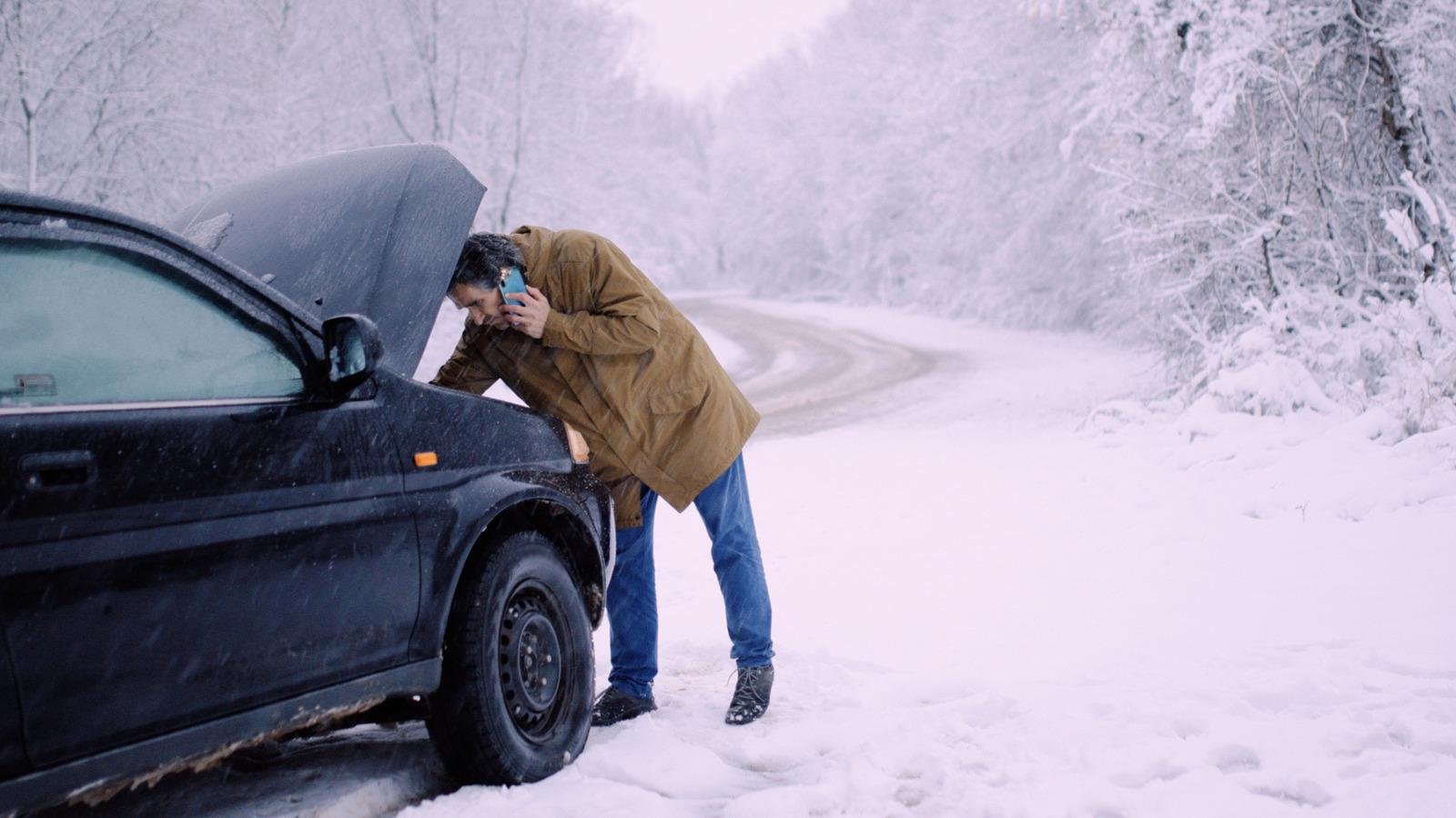
Winter can be magical—snow‑covered roads, hot cocoa, and the occasional “I forgot to turn the heater on” panic when the engine won’t start. If you’ve ever stood on a frosty morning, turned the key, and heard just a faint click, you already know the feeling of a cold‑struck battery. While modern batteries are built to survive a lot, extreme cold still has a sneaky way of draining their life. In this post we’ll explore the science behind those chilly failures and give you practical steps to keep your car humming all the way to spring.
For a deeper dive into the chemistry, check out this article from a leading battery specialist.
What Happens Inside a Battery When the Temperature Drops
Think of a car battery as a tiny chemical factory. It relies on a delicate dance between lead plates and an acidic electrolyte to produce electricity. When the mercury slides below freezing, three main things go wrong.
1. Chemical Reaction Slows Down
At lower temperatures the electrolyte becomes more viscous, which means the ions that carry charge move slower. The result? Reduced amperage output just when you need the most power to spin the starter motor.
2. Increased Internal Resistance
Cold makes the internal resistance of the battery rise. Higher resistance eats away at the voltage that reaches the starter, so even a fully charged battery can feel weak.
3. Greater Engine Load
Cold air is denser, so the engine has to work harder to pull air through the cylinders. Vehicles equipped with turbo‑petrol engines—like the 2022 Toyota Camry—need extra boost pressure, which translates to a higher electrical demand during start‑up.
Real‑World Signs Your Battery Is Suffering From the Cold
- The engine cranks slowly or makes a rapid clicking sound.
- Dashboard lights dim or flicker when you turn the key.
- Electronic aids such as ADAS (Advanced Driver‑Assistance Systems) fail to initialize.
- You notice a noticeable drop in voltage on a multimeter—below 12.2 V before start‑up.
My own 2019 Ford F‑150 gave me the classic “slow‑crank” symptom last December. A quick jump‑start got me moving, but the battery was clearly on its last legs.
How to Keep Your Battery Happy in Sub‑Zero Conditions
Good news: most cold‑weather battery failures are preventable. Here are three proven strategies.
Maintain the Right Charge Level
A battery that sits at 70 % state‑of‑charge is far more vulnerable than one kept above 80 %. If you know you’ll be parking for a week or more, invest in a smart charger that keeps the battery topped up without overcharging.
Use a Battery Blanket or Heater
Battery blankets are essentially insulated electric blankets for your battery. They raise the temperature by 15‑20 °F, dramatically improving cranking power. Plug them into a 12 V outlet and let them work while you’re away.
Upgrade to a Cold‑Cranking Amp (CCA) Friendly Battery
Look for a battery with a higher CCA rating. As a rule of thumb, you need at least 1 CCA for every 1 °F of the lowest temperature you expect. In Minnesota (‑20 °F lows) you’d aim for a battery with at least 800 CCA.
Design & Dimensions
| Battery Model | Group Size | Dimensions (mm) |
|---|---|---|
| Optima RedTop 35 | 35 | 242 × 175 × 190 |
| AC Delco 48 | 48 | 306 × 173 × 190 |
| Exide Edge FP‑125 | 125 | 329 × 175 × 190 |
Feature Comparison
| Feature | Standard Battery | Cold‑Weather Premium |
|---|---|---|
| Cold‑Cranking Amps (CCA) | 550 A | 800 A |
| Reserve Capacity (RC) | 90 min | 120 min |
| Warranty | 2 years | 4 years |
Engine Specifications (Examples of Vehicles Affected)
| Model | Engine | Power (hp) |
|---|---|---|
| Toyota Camry 2022 | 2.5 L 4‑cyl turbo‑petrol | 203 |
| Ford F‑150 2023 | 3.5 L EcoBoost V6 | 400 |
| Honda CR‑V 2021 | 1.5 L 4‑cyl | 190 |
Price Comparison
| Battery Type | Average Price (USD) | Best For |
|---|---|---|
| Standard Lead‑Acid | $120 | Daily commuters |
| AGM (Absorbent Glass Mat) | $180 | Cold climates |
| Lithium‑Ion | $250 | High‑performance EV‑hybrids |
FAQ – Your Cold‑Weather Battery Questions Answered
- 1. Why does my car crank slower on a frosty morning?
- Because the electrolyte’s conductivity drops and internal resistance rises, delivering less power to the starter.
- 2. How many CCA do I really need?
- A good rule is 1 CCA per 1 °F of the lowest temperature you expect. For a -20 °F winter, aim for at least 800 CCA.
- 3. Can a fully charged battery still fail in the cold?
- Yes. Even at 100 % charge, low temperatures can reduce usable capacity by up to 40 %.
- 4. Is an AGM battery better for winter?
- AGM batteries handle low temperatures better than traditional flooded cells and usually have higher CCA.
- 5. Should I disconnect the battery when parking for weeks?
- Disconnecting prevents parasitic drain, but a smart maintainer is a safer option because it keeps the battery at optimal voltage.
- 6. Do electric or hybrid vehicles suffer the same cold‑start issues?
- Hybrid batteries are less temperature‑sensitive, but the 12 V auxiliary battery still needs protection. Lithium‑ion packs in EVs also lose range in the cold.
- 7. How does a battery blanket work?
- It uses a low‑wattage heating element to gently warm the case, keeping the electrolyte fluid and reducing internal resistance.
- 8. Can I use a portable jump starter instead of a new battery?
- For occasional emergencies, yes, but a jump starter won’t replace the long‑term reliability of a proper cold‑rated battery.
- 9. Will using a higher‑output alternator stress my battery in winter?
- Higher alternator output can help recharge the battery faster, but it also generates more heat—beneficial in cold weather, but you still need adequate CCA.
- 10. Is regular maintenance still necessary with a modern battery?
- Absolutely. Clean terminals, check electrolyte levels (if applicable), and verify the charging system at least once a year.
By understanding the science and taking a few proactive steps, you can avoid the dreaded “dead battery” drama and enjoy smooth starts all winter long. Stay warm, stay powered, and let the road take you wherever you need to go.