Why European Drivers Are Falling in Love with Chinese Electric Vehicles
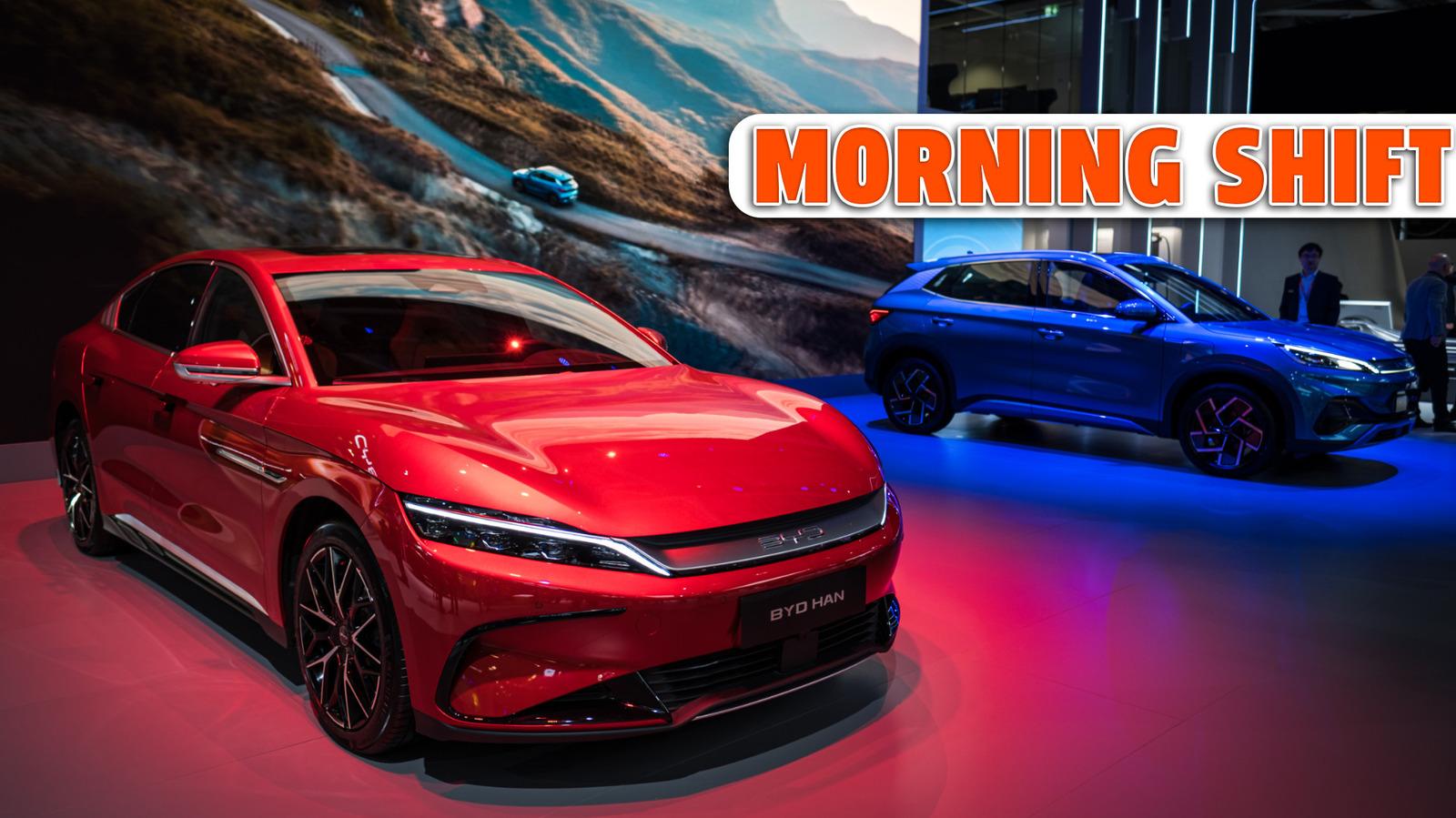
Why European Drivers Are Falling in Love with Chinese Electric Vehicles
Image: Why European Drivers Are Falling in Love with Chinese Electric Vehicles – Performance Comparison and Specifications
Advertisement
It wasn’t long ago that the phrase “Chinese EVs” evoked images of budget‑friendly city commuters. Today, you’ll hear the same words paired with luxury, performance, and cutting‑edge tech—especially across Europe. From the sleek lines of the BYD Han to the futuristic cockpit of the Nio ET7, European motorists are not just noticing Chinese electric cars; they’re genuinely excited about them.
European Market Overview
According to the latest figures from AutoNews, Chinese‑made EVs accounted for roughly 12% of all electric vehicle registrations in the EU during the first half of 2025, up from just 5% two years earlier. That surge is driven by three main factors:
Advertisement
- Competitive pricing that undercuts many Western rivals.
- Advanced driver‑assistance systems (ADAS) that meet Euro NCAP standards.
- Strong government incentives in countries like Germany, France, and the Netherlands.
But the story isn’t just about numbers; it’s about the experience behind the wheel.
The Regulatory Curveball at Home
While Chinese manufacturers celebrate overseas growth, they’re also facing a new regulatory change on their own turf. In June 2025, China introduced a stricter fuel‑efficiency credit system that penalises manufacturers relying heavily on internal‑combustion engines. The policy effectively raises the cost of producing turbo‑petrol models, nudging companies toward full electrification faster than they had planned.
For European consumers, the ripple effect is positive: the push for all‑electric line‑ups means brands like Xpeng and BYD are pouring more R&D dollars into battery tech, fast‑charging infrastructure, and ADAS upgrades—features that European buyers love.
Advertisement
Spotlight on the Hottest Chinese EVs in Europe
Below are the three models that have captured the most attention on European roads:
- BYD Han – a luxury sedan that blends a 605 km WLTP range with a sumptuous interior.
- Xpeng P7 – a sport‑sedan praised for its 0‑60 mph time of 4.3 seconds and integrated navigation‑assist.
- Nio ET7 – a flagship with a 650 km range, over‑the‑air updates, and a proprietary battery‑swap service in select markets.
Design & Dimensions
| Model | Length (mm) | Width (mm) | Height (mm) | Wheelbase (mm) |
|---|---|---|---|---|
| BYD Han | 5,060 | 1,920 | 1,490 | 2,990 |
| Xpeng P7 | 4,950 | 1,945 | 1,460 | 2,950 |
| Nio ET7 | 5,075 | 1,970 | 1,460 | 3,000 |
Feature Comparison
| Model | ADAS Level | Battery Capacity (kWh) | Fast‑Charge (kW) | Infotainment |
|---|---|---|---|---|
| BYD Han | Level 2+ | 76 | 150 | 15.6″ Android‑based |
| Xpeng P7 | Level 3 | 80 | 200 | 12.3″ Xpilot OS |
| Nio ET7 | Level 3+ | 100 (swap‑able) | 250 | 15.7″ Nio OS |
Engine (Motor) Specifications
| Model | Motor Power (kW) | Torque (Nm) | 0‑60 mph (s) | Range (WLTP km) |
|---|---|---|---|---|
| BYD Han | 340 | 620 | 4.9 | 605 |
| Xpeng P7 | 315 | 580 | 4.3 | 580 |
| Nio ET7 | 400 | 730 | 3.8 | 650 |
Price Comparison (Starting Prices)
| Model | Starting Price (EUR) | Country | Local Incentives |
|---|---|---|---|
| BYD Han | 45,900 | Germany | €6,000 (environmental bonus) |
| Xpeng P7 | 38,500 | France | €5,000 (regional grant) |
| Nio ET7 | 52,300 | Netherlands | €7,500 (tax exemption) |
Real‑World Stories from European Drivers
When I met Laura, a Berlin‑based graphic designer, she told me she chose the BYD Han after a test drive that left her “speechless” because the cabin felt more like a high‑end tech lounge than a traditional sedan. “The ADAS actually saved me twice on the A100 during heavy rain,” she laughed, referencing the busy Berlin‑A100 highway.
In Paris, Marc, a 32‑year‑old software engineer, opted for the Xpeng P7 because of its “sporty DNA.” He loves the 4.3‑second sprint to 100 km/h, but he also appreciates the seamless over‑the‑air updates that keep his navigation maps current without a garage visit.
Advertisement
Meanwhile, a family in Amsterdam swapped their diesel SUV for a Nio ET7 after the city introduced a low‑emission zone. “The battery‑swap stations are a game‑changer,” said Sophie. “I get a fresh pack in under five minutes—practically the same as refuelling a gasoline car.”
Future Outlook: Will the Trend Continue?
Analysts at McKinsey predict that Chinese EVs could claim up to 20% of Europe’s EV market by 2030, provided they keep improving on three fronts:
- Local production—securing assembly plants in Germany and France reduces tariffs and shortens delivery times.
- Brand perception—investing in European‑centric marketing and after‑sales networks builds trust.
- Technology leadership—continuing to push ADAS, battery‑swap, and ultra‑fast charging.
Even with the new Chinese fuel‑efficiency credits that could raise the cost of internal‑combustion components, the shift toward electrification aligns perfectly with Europe’s Green Deal goals. In short, the regulatory pressure at home may actually accelerate the rollout of next‑gen EVs abroad.
Advertisement
Conclusion
European drivers have discovered that Chinese EVs are no longer the “budget option” but a compelling blend of performance, technology, and value. From the sleek aesthetics of the BYD Han to the high‑tech cockpit of the Nio ET7, these vehicles are reshaping what consumers expect from an electric car. As China tightens its own emissions rules, the incentive to innovate only grows—benefiting European shoppers who crave the latest in ADAS, fast charging, and design.
Whether you’re a city commuter, a weekend road‑tripper, or a tech enthusiast, there’s a good chance a Chinese EV already fits your wishlist. The road ahead looks electrifying, and Europe is gladly joining the ride.
FAQ
- 1. Which Chinese EV offers the longest WLTP range in Europe?
- The Nio ET7, with a 650 km WLTP rating, currently leads the pack.
- 2. Are Chinese EVs eligible for EU‑wide subsidies?
- Yes, as long as they meet the EU’s safety and emissions standards, they qualify for national incentives.
- 3. How reliable are the ADAS systems on BYD, Xpeng, and Nio models?
- All three brands have achieved Euro NCAP scores above 90%, and their Level 2‑3 ADAS suites have been validated by independent testing agencies.
- 4. Can I charge a Chinese EV at any European public charger?
- Absolutely. They support CCS Combo 2, the standard across Europe, and most models handle up to 250 kW fast charging.
- 5. What is battery‑swap and is it available everywhere?
- Battery‑swap allows a depleted pack to be exchanged for a fully charged one in minutes. Nio operates stations in major German cities and plans expansion across the EU.
- 6. Will the new Chinese fuel‑efficiency credit affect European prices?
- Indirectly, yes. Higher production costs for turbo‑petrol components may push manufacturers to focus on EVs, potentially stabilising or even reducing EV prices.
- 7. Do Chinese EVs offer a warranty comparable to European brands?
- Most offer a 5‑year or 150,000 km warranty on the battery and drivetrain, which matches the industry norm.
- 8. Are there any differences in interior quality compared to German rivals?
- Recent models such as the BYD Han feature premium leather, digital instrument clusters, and high‑resolution infotainment screens that rival traditional German luxury sedans.
- 9. How do Chinese EVs perform in cold climates?
- Thermal‑management systems have improved dramatically; range loss in sub‑0 °C conditions is now typically under 15%.
- 10. Where can I test‑drive a Chinese EV in Europe?
- Dealerships and pop‑up experience centres are popping up in Berlin, Paris, Amsterdam, and Milan. Many brands also offer at‑home test‑drive services.
Advertisement